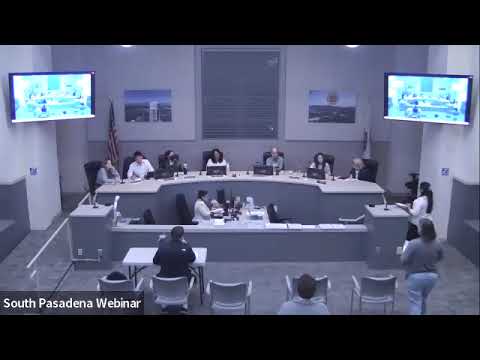
South Pasadena commission sends tennis/paddle-sport code changes back to staff after noise, access and enforcement questions
Loading...
Summary
Commissioners reviewed proposed amendments to South Pasadena Municipal Code section 21.2 to include pickleball, add permit rules for large groups, prohibit amplified sound without a permit, and consider reservation or time-limit approaches; they voted to send the draft back to staff for clarified thresholds, enforcement language and possible community outreach.
South Pasadena Community Services staff presented proposed updates to Municipal Code section 21.2 on Oct. 13 to modernize rules for tennis courts and include pickleball and other paddle sports.
The changes in the draft would expand priority use to city-sponsored programs beyond tennis, clarify footwear and prohibited wheeled activities, require permits for organized activities of more than eight participants and prohibit amplified sound unless permitted. Staff said the proposal also contemplates time restrictions or designated courts/days for pickleball, and a future reservation pilot or hybrid model to reduce conflicts.
Commissioners and the public focused on three practical concerns: groups that have effectively monopolized courts by holding tournaments, persistent noise complaints from nearby residents, and how the city would enforce any new rules. Staff and commissioners said enforcement of municipal-code violations requires police action; staff cannot unilaterally enforce the code in the parks.
Commissioner discussion raised specific points staff was asked to clarify: whether large-group permits should carry fees, what number of participants should trigger a permit, how to distinguish tournaments from casual play, and what “in advance” means for obtaining permits. Staff reported past complaints involving groups of 30–40 people and recommended a permit threshold so smaller casual gatherings would be managed administratively while larger events would come before the commission.
Public commenters and some commissioners urged clearer posted signage and better outreach so rules are visible. Several commissioners cautioned that strict time-designations could create enforcement problems if no dedicated park staff is present; commissioners discussed whether a reservation system similar to tee times (with administrative allocation) or a field-use permit model should be used instead.
After extended discussion, the commission voted unanimously to refer the draft ordinance and supporting questions (permits and thresholds, amplified-sound prohibition, possible time restrictions, fees for tournaments, enforcement mechanisms and community outreach such as town halls) back to staff for additional analysis and clearer drafting before a return to the commission and subsequent submittal to city council.
The commission made no final change to the municipal code at the Oct. 13 meeting; staff said they will return with clarified language, options on reservation systems, fee proposals and suggested outreach steps. The motion to refer the item back to staff passed on a roll-call vote of the commissioners present.