
House approves ban on minimum card-payment amounts to protect small purchases
Get AI-powered insights, summaries, and transcripts
Sign Up Free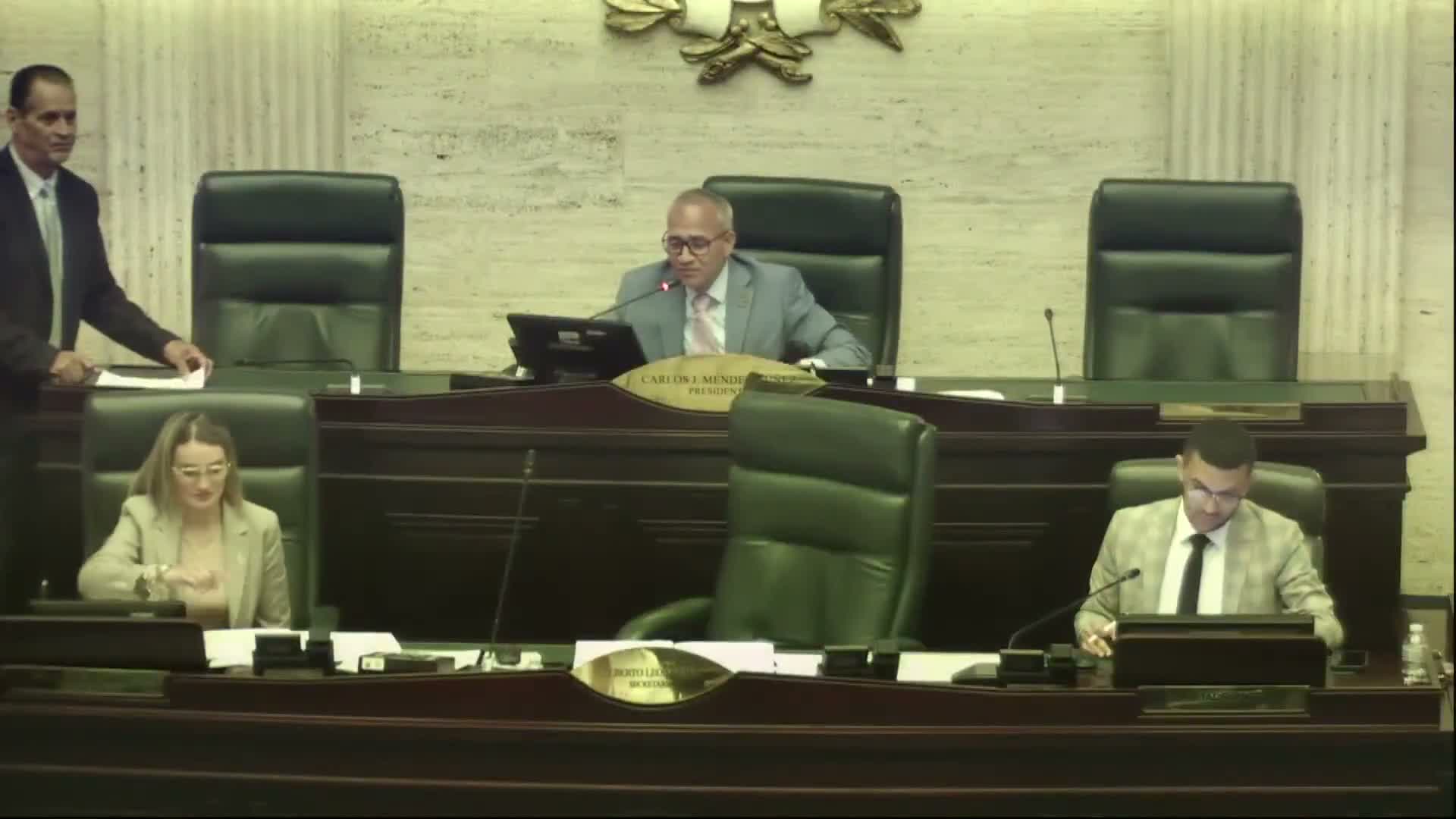
Summary
On Jan. 14 the House passed House Bill 672 to forbid merchants from requiring a minimum payment amount for card transactions; supporters said the law will protect elderly and low-income consumers from being unable to complete small essential purchases. Final tally announced was 39 in favor, 0 opposed, 13 abstentions.
SAN JUAN — The House of Representatives on Jan. 14 approved House Bill 672, which prohibits merchants from demanding a minimum dollar amount to process card payments. The clerk announced a final recorded tally of 39 in favor, none against and 13 abstentions.
Representative Yachira LeBron, who presented the bill, framed it as consumer protection for older residents and others who sometimes carry only enough cash for a small purchase. "Hay personas que a veces pueden hacer la transacción. Pero también tenemos situaciones donde hay personas que no tienen el dinero," LeBron said, describing scenarios where a shopper needs a single item but cannot complete a card transaction because a merchant requires a minimum purchase.
The in-salon amendments clarified wording in the text — replacing "charge minimums" with "minimum amount" and establishing prohibitions rather than orders — and were accepted on the floor before the final vote. LeBron said she will seek meetings with financial institutions to refine implementation details and pledged to work with colleagues across parties to finalize technical points.
The House approved the measure with several members registering explanatory abstentions; one delegation announced an explanatory vote but the clerk recorded the final tally as 39-0 with 13 abstentions. The measure now proceeds to the next legislative stage for enactment procedures.