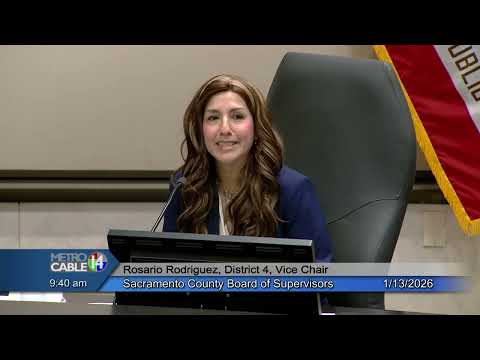
Sacramento supervisors approve constrained budget approach and keep Healthy Partners; board sets FY26‑27 priorities
Loading...
Summary
After a full‑day workshop, the Sacramento County Board of Supervisors approved a constrained initial resource allocation and preserved the Healthy Partners program as part of FY26‑27 planning, directing staff to assume a modest across‑the‑board reduction while protecting the county's medically indigent services safety net.
The Sacramento County Board of Supervisors on Jan. 13 approved a constrained approach to next year’s budget and kept the Healthy Partners program in initial planning after a lengthy presentation and debate about state changes that shift health costs to counties.
Amanda Thomas, the county’s chief fiscal officer, told the board that changes in Medi‑Cal eligibility and other State and federal actions could raise county costs by tens of millions of dollars and that the county currently faces a structural gap. Thomas presented alternative starting points for department allocations and modeled CMISP (the County Medically Indigent Services Program) scenarios, noting that the minimum safety‑net option would add roughly $29 million in year‑one costs under current assumptions.
Health Services Director Tim Lutz explained the difference between CMISP, which focuses on medically necessary emergency and specialty care under state welfare code, and Healthy Partners, a primarily preventative and primary‑care program historically serving people who do not qualify for full Medi‑Cal. Lutz said Healthy Partners enrolls people eligible for emergency Medi‑Cal and provides broader primary‑care and prevention services; staff estimated a program cap of about 4,000 enrollees with modeled utilization near 2,500 individuals.
Supervisors debated tradeoffs: some argued preserving Healthy Partners is critical for public health and for avoiding costlier emergency care later, while others urged deeper, earlier cuts to avoid depleting reserves in future years. Several supervisors stressed the county should pursue alternative revenue sources and targeted reductions rather than blunt across‑the‑board cuts.
After public testimony from parks advocates, health providers and community groups, the board voted 3‑2 to adopt the constrained resource allocation that included funding for Healthy Partners and an initial across‑the‑board reduction (the motion, as moved and seconded on the floor, set the board’s starting assumptions for FY26‑27). Chair Rodriguez and Supervisor Hume recorded the two no votes.
Staff said the vote establishes the assumptions departments should use in developing detailed budget requests; the recommended budget will return to the board for hearings and final decisions later in the spring. The board also reaffirmed the county’s adopted budget priorities — complying with obligations, optimizing county resources, and funding critical new programs focused on homelessness and roads — by separate vote.
What comes next: departments will prepare budget requests based on the board’s direction, staff will refine revenue and cost estimates over the coming months, and the recommended FY26‑27 budget will be released in late May for public hearings in June.