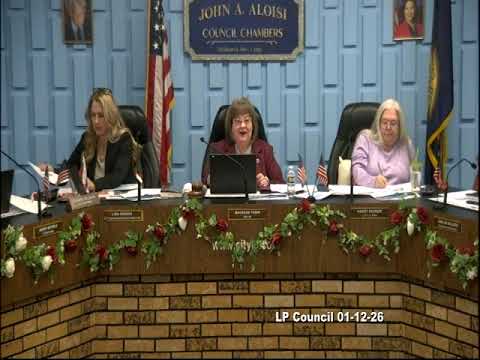
Auditors warn of steep water losses; council presses staff as meter replacements begin
Loading...
Summary
Auditors and staff told Lincoln Park council that the water and sewer fund faces major strain after water-loss rose to about 44% in 2025; the city plans phased meter replacements beginning Feb. 1 and council pressed staff for accelerated testing, valve maintenance and clearer quantification of losses.
Lincoln Park officials heard a stark assessment of the city’s water system on Jan. 12, when audit presenters and city staff described water loss that the audit team put at about 44% in 2025 and outlined steps the city will take to address it. The council pressed staff to provide clearer, quantified measurements of water lost and to accelerate fixes beyond the current water-loss crew.
The audit team reported that “44% of the water that gets purchased isn't getting billed to the residents,” and said the city has invested about $35 million in infrastructure over the past three years. Auditors and staff warned that without general-fund subsidies the water and sewer fund’s unrestricted cash would have been negative at year end.
City operations and public works staff described what they’ve found on the ground: crews discovered several underground breaks that discharged into the storm or sanitary system and repaired those sites, but the problem is broader than isolated breaks. John Hollingsworth, a water-department representative, told council the city has begun replacing aging meters and that the contractor’s work is expected to start Feb. 1 and may take about a year to complete. Hollingsworth said staff estimate older meters may be responsible for roughly $1,500,000 in lost revenue and that replacing them is a key step to close the reporting gap.
Council members pressed for more immediate and independent tests. One council member suggested using flow meters and calculations tied to documented main breaks and hydrant usage to estimate lost volumes over specific break events; another urged contracting outside firms to inspect and exercise gate valves, noting the city lacks a regular valve-maintenance schedule. An engineering representative and council members also noted that some water lost during main replacements (chlorine flushing, required by state health standards) is an accounted-for loss under contract but still affects near-term cash flows.
The city manager said Hydrocorp will send initial install letters to residents and that installers will offer appointments during business hours and some Saturdays; Master Meters is working with cell-tower providers to enable remote meter reads. Staff were directed to return with more specific quantification and options for faster mitigation at an upcoming meeting.
The discussion was technical and cross-cutting: council members and residents expressed frustration at the pace of detection and repair, cited staffing limitations during recent weather events, and urged the administration to provide clearer timelines and cost estimates for valve maintenance, targeted leak detection, and the meter-replacement schedule.
What’s next: meter installations are slated to begin Feb. 1; staff will provide follow-up data and options for expedited testing and valve maintenance at a future meeting.