
Douglas County residents demand accountability as board apologizes for open‑meeting errors
Get AI-powered insights, summaries, and transcripts
Subscribe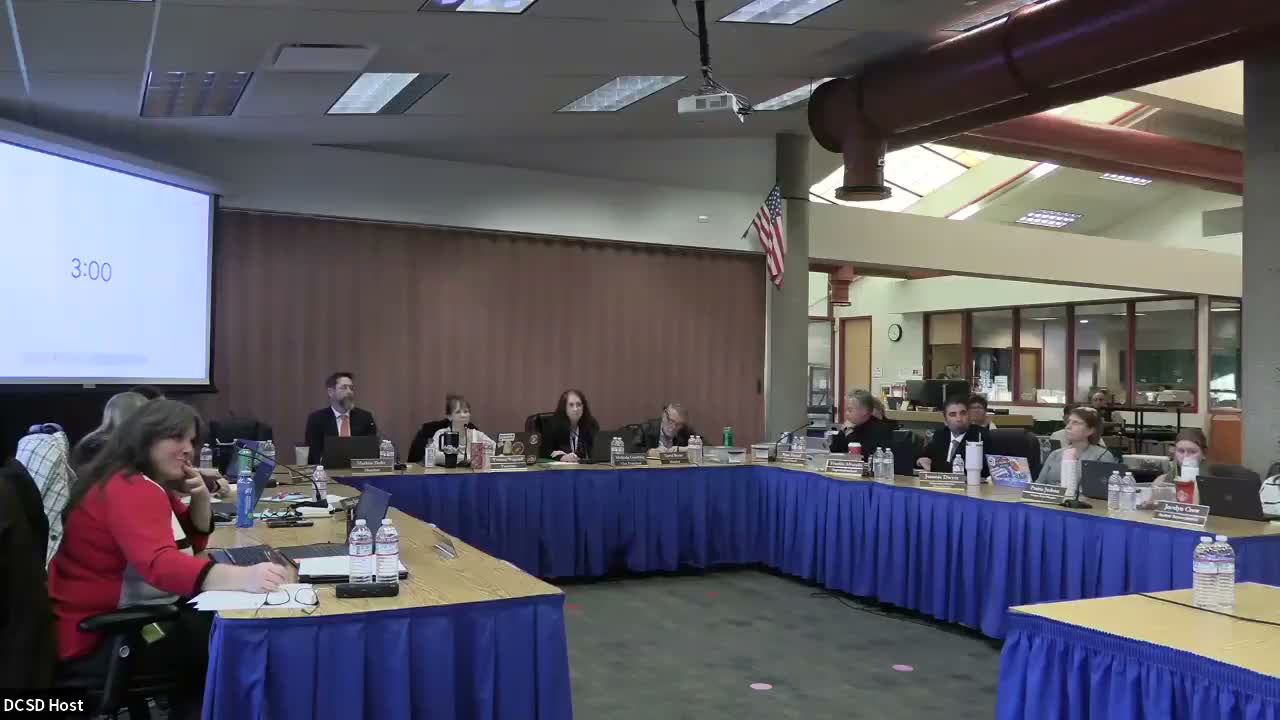
Summary
Dozens of residents and staff used the Jan. 15 public‑comment period to condemn trustee conduct and demand consequences after an email and past open‑meeting‑law violations surfaced. The board read a public apology and voted unanimously to accept it; several callers asked for censure or resignation of Trustee Dave Burns.
Dozens of community members and district employees packed the Douglas County School District meeting on Jan. 15 to demand accountability from trustees after a series of controversial remarks and a lawsuit over public records.
Marty Swisher read aloud an email he said came from Trustee Dave Burns and called the letter ‘‘denigrating’’ and ‘‘unacceptable’’ for an elected official, urging the board that "you should resign" if a trustee will not meet community standards. Others echoed those concerns: a string of parents, former principals and staff described the email and alleged past conduct as damaging to trust in district leadership.
Board members read a prepared public apology for prior open‑meeting‑law violations and asked for public input before accepting it. ‘‘We recognize the serious concerns these actions have caused, and we deeply regret the loss of public trust,’’ the board read. After public comment, the board conducted a roll‑call poll and voted unanimously to accept the apology.
Speakers who supported Swisher’s account and criticized trustees also pressed the board to investigate legal costs and outside counsel decisions. Cheryl Blums, a community member who cited records from a writ of mandamus, said a judge ordered documents produced and legal fees paid, and challenged trustees to provide evidence for their choices about legal counsel and policy changes.
Board members and many public commenters framed the dispute as two intertwined issues: the content of the alleged email and a longer history of public‑records litigation tied to prior board actions. Several members of the public urged a future agenda item for censure; a trustee noted that any formal disciplinary action requires a separate agenda process.
The board did not take disciplinary action at the Jan. 15 meeting. It accepted the public apology and noted that members of the community may request future agenda items, including potential censure. The board also reiterated its commitment to transparency and training as it faces a broader fiscal and operational review this winter.