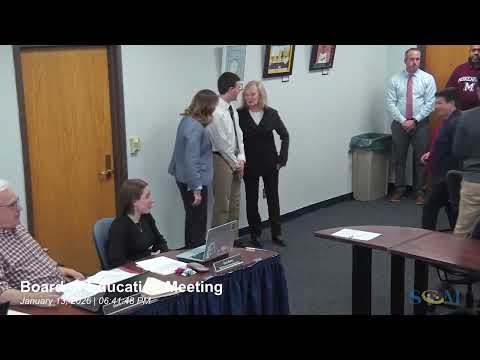
Simsbury schools outline multi-pronged plan to curb harmful language and boost belonging
Loading...
Summary
After public comments about racial slurs, district equity leaders and principals described a student-centered campaign, restorative practices and new school-climate protocols designed to reduce harmful language, expand supports and increase student participation in advanced courses.
The Simsbury Board of Education on Wednesday heard an extended presentation from the district's director of equity and access and school principals laying out steps to address an "undercurrent" of harmful language among students and to strengthen school climate across K-12.
The session followed a public comment in which resident Darren Brunstead said racial slurs had occurred in schools and urged a clear rubric for handling incidents. "We just wanted to talk about that, specifically, about racial slurs that were happening in school," Brunstead said during public audience.
The board's Dr. Tyresha Batchelor, who leads equity and access, told members the district has implemented a multi-tiered strategy that mixes student-led initiatives, staff training and procedural clarifications. "Compassionate and connected school culture is really about fostering something within our community," Batchelor said, describing programs ranging from a student-created "encouraging words" pledge to restorative circles and targeted tutoring and mentoring.
Batchelor and school leaders said the work also responds to recent state guidance on school-climate plans. The presentation referenced Public Act 23-167 and said the district's climate leads, restorative practices training and revised definitions of "challenging behaviors" will inform the school-level plans the law envisions.
Presenters pointed to early indicators they said suggest progress: higher AP participation among certain cohorts (including an increase to 20 AP enrollments in one tracked cohort), fewer suspensions among students engaged in after-school supports, and increased family and community events tied to belonging and cultural observances. "When we put tutoring and mentoring together, you see how that's increased our AP scores," Batchelor said.
Schools described specific next steps: focused student listening sessions and small-group focus groups to gather candid feedback; student-led bystander intervention training; a peer-created video and monologue project (described as "Sims Talk") to elevate student voices during diversity and inclusion week; and ongoing data collection to measure whether interventions reduce incidents and improve perceptions of belonging.
Board members lauded the depth of the work and called for continued community involvement. The board's chair noted the presentation grew out of recent public concern and urged parents and trustees to "lean into this" alongside staff.
What happens next: presenters said they will run student focus groups in the coming weeks, refine school-level climate plans aligned with state guidance, and return to the board with updated data and proposed implementation steps.
Sources: presentation and Q&A with Dr. Tyresha Batchelor and school principals at the Simsbury Board of Education meeting, public comment by Darren Brunstead.