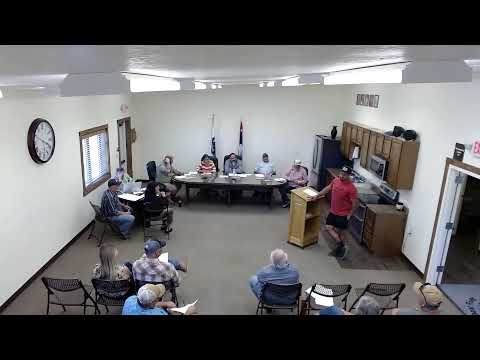
Public commenters press rawhide processor on odors, wastewater containment
Loading...
Summary
At a public hearing, commenters questioned operators of a small rawhide-processing operation about odor control, wastewater containment and winter handling; operators said they use only water, contain wash water in a bay, dry hides for four to five days and haul solids to the landfill.
At a public hearing, community members questioned operators of a small rawhide-processing operation about odor control, wastewater containment and how the business manages processing through winter.
Unidentified Speaker 2 asked about the firm’s processing steps. Unidentified Speaker 1 said, “we get the hides from the butchers, and then we wash them with water. We have a power washer. We have a bay that we wash all the hides in so the water doesn’t get out of the road.”
The operator repeatedly emphasized that no chemicals are used in the wash: “There’s no chemicals. There’s no silver. There’s no formaldehyde,” and described solids handling: wash water is pumped into a fill pit and remaining chunks are put into buckets and taken to the local landfill. The operator said they attempt daily dumping during processing to avoid rotting and clean the power washer roughly once a week.
A member of the public, identified in the transcript as Unidentified Speaker 3, said they initially found the product “disgusting” but were “surprised and impressed, that it doesn’t smell.” Another commenter (Unidentified Speaker 2) compared the byproduct to that from a pet food plant and said the smell can be unpleasant, underscoring local odor concerns.
Unidentified Speaker 1 described the drying procedure: hides are cut into strips, placed in drying rooms and allowed to sit for four to five days until humidity drops and the pieces are dry; no additional heat is applied. On winter operations, the operator said they follow the same standards, keep water contained to avoid runoff onto public roads and manage icy conditions around the shop.
The operator said production has increased recently and estimated about 20 units in the last two months. They invited community members to offer suggestions for improvements and noted ongoing efforts to keep the operation from creating a neighborhood nuisance.
The meeting concluded with Unidentified Speaker 1 thanking attendees and adjourning the hearing.
The transcript does not include permits, agency reviews, formal motions or votes related to the operation; regulatory oversight, permit status and specific disposal authorizations were not discussed in the record.