Get Full Government Meeting Transcripts, Videos, & Alerts Forever!
Get email alerts on the Land Use Conditional Use Permit topic
No spam. Unsubscribe anytime.
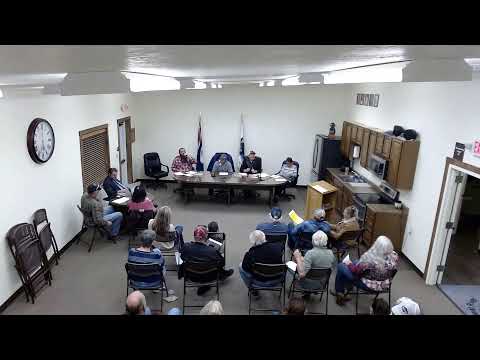
Local hearing on conditional use permit for horse boarding focuses on manure, flies and tax concerns
Summary
At a local permit hearing, the applicant sought approval to operate a horse boarding/training facility (current client count ~21; proposed cap ~30–35). Neighbors praised animal care but raised concerns about manure management, flies, dust and whether permitting could affect property tax assessments; no vote is recorded in the provided transcript.
An applicant seeking a conditional use permit to operate a horse boarding and training facility described improvements to paddocks, fencing and animal care while neighbors and officials questioned manure handling, fly control, pasture management and the potential effect on property tax assessments.
The applicant told the hearing they currently serve about 21 clients and said the operation’s maximum would be about 30 (one speaker also referenced up to 35 horses at times). "We haul our manure at least twice a year. We pull it off to the city dump," said Rachel Hopkin, who identified herself during public comment and described permanent fencing, leased pasture next door and routine pasture rotation.
Neighbor Crystal Laberon, who identified herself and said she lives directly across from the property, praised the current owners: "In the last five years, they're the best neighbors," she said, arguing the present operators have improved conditions compared with prior owners.
Other neighbors raised concerns about flies, overgrazed pastures and dust. Dave Raines said overgrazed ground becomes dusty when the wind blows and asked whether adjacent properties being used by the operation are also subject to permit requirements.
A major point of contention was whether permitting the operation would lead county assessors to change property classifications or increase neighboring property assessments. One resident asked the council to consult the county assessor before approving the permit, saying a shift toward commercial activity could drive valuations upward.
An unidentified official explained how assessments typically work in the state: mass appraisal systems that reference comparable sales are widely used, while agricultural-designated land can be subject to "highest and best" use considerations. The presiding official repeatedly clarified that the county assessor makes classification decisions independently and that a conditional use permit issued by the local body can be revoked if conditions are not met.
No formal motion or vote appears in the provided transcript. The presiding official reminded the room this item was an action item and said the council could approve or disapprove the conditional use permit tonight, and asked commenters to limit remarks to the permit. The transcript ends with discussion and neighbor input but does not record a final decision.
Clarifying details from the hearing: - Applicant/representative said current client count is 21 and stated a maximum of 30 (other speakers referenced 35 at various points). - Rachel Hopkin said manure is hauled "at least twice a year" to the city dump and that permanent fencing surrounds the property. - Speakers discussed pasture rotation and that much of the horse keeping is turned out rather than stabled most of the year. - Officials described Wyoming assessment practice as largely sales-based mass appraisal with potential "best use" rules for agriculturally designated land and emphasized the assessor’s independent authority.
Next steps: The transcript provided does not record an approval or denial. The hearing officer said the item was an action item and indicated the body could take a vote; the record here ends before a final decision is documented.