Get Full Government Meeting Transcripts, Videos, & Alerts Forever!
Get email alerts on the Animal Control topic
No spam. Unsubscribe anytime.
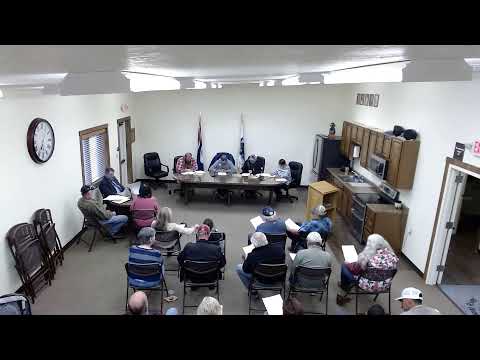
Council workshop debates animal control ordinance; members call for clearer enforcement standards
Summary
At a workshop, council members discussed Ordinance 2025-05 (animal control), raising concerns that the draft does not specify who determines compliance and lacks objective standards. Speakers urged consulting agricultural extension, public health and veterinarians and suggested requiring approved fly-abatement plans for commercial animal operations.
Speaker 2, an unidentified council member, urged clearer enforcement language in Ordinance 2025-05, saying, “I didn't see anything in this ordinance about animal control that indicates who makes a determination whether someone's property is in compliance or not.” Speaker 2 recommended the ordinance specify the compliance officer and an evidence-based consultative process with agricultural extension or the health department to justify citations.
The discussion centered on how to make enforcement legally defensible. Speaker 2 said consulting subject-matter experts before issuing citations would strengthen the town's position in any subsequent hearing: “If you have that somebody that you know is probably gonna support your citation number 1, if you have their input before you issue the citation, you avoid the possibility that you issue a citation that you shouldn't have been.” Speaker 2 and others noted that veterinarians or extension agents could provide technical determinations about overgrazing, animal health and sanitation that lay compliance officers may lack.
Speakers also debated immediate responses to severe animal welfare problems. Speaker 2 said a compliance officer can issue a citation but that more serious cruelty or injury cases may need sheriff or county attorney involvement under state statute. Speaker 2 described the practical limits: “If we're talking about an injury that is that severe, it should probably go through the state statute… arrests could be made and that should almost move them faster.” Speaker 4 (Scott Young) agreed that outside law-enforcement or veterinary action may be necessary for the most severe cases.
Several participants recommended operational conditions for commercial animal enterprises. Speaker 2 proposed requiring commercial operators to implement a fly-abatement plan approved by the compliance officer, arguing that informal measures (e.g., hanging a fly strip) would be insufficient: “If you just say you have to use fly suppression … somebody's gonna hang 2 fly strips and say I have fly suppression.” Speaker 3 asked whether such rules should apply to all residents or only businesses operating under conditional-use approvals; Speaker 2 replied the requirement should target large, commercial operations.
Speaker 2 also raised a fiscal and land-use consequence: allowing commercial uses could alter how county assessors determine “highest and best use” and potentially increase assessed values on neighboring properties. Speaker 2 asked the council to seek legal and assessor guidance before changing zoning or approving commercial operations.
No formal action was taken at the workshop. Speaker 1 reiterated that “no decisions are gonna be made tonight,” and one participant suggested tabling further action until all council members, including Clyde, could participate. The ordinance will return to the council for later consideration and potential further readings.
The discussion highlighted three practical next steps captured in participants' remarks: clarify in the ordinance which official makes compliance determinations; add objective standards and a consultative process with agricultural or public-health experts; and consider conditional-use requirements and operational controls for commercial animal enterprises to reduce neighborhood impacts.