Get Full Government Meeting Transcripts, Videos, & Alerts Forever!
Get email alerts on the Comprehensive Plan topic
No spam. Unsubscribe anytime.
Planners preview ‘Stamford 2035’ draft; consultants report heavy public engagement
Summary
City planners and consultants updated the Stamford Planning Board on the comprehensive-plan process, reporting nearly 16,000 project impressions, a large student survey initiative and a draft plan scheduled for early June with approval later this summer.
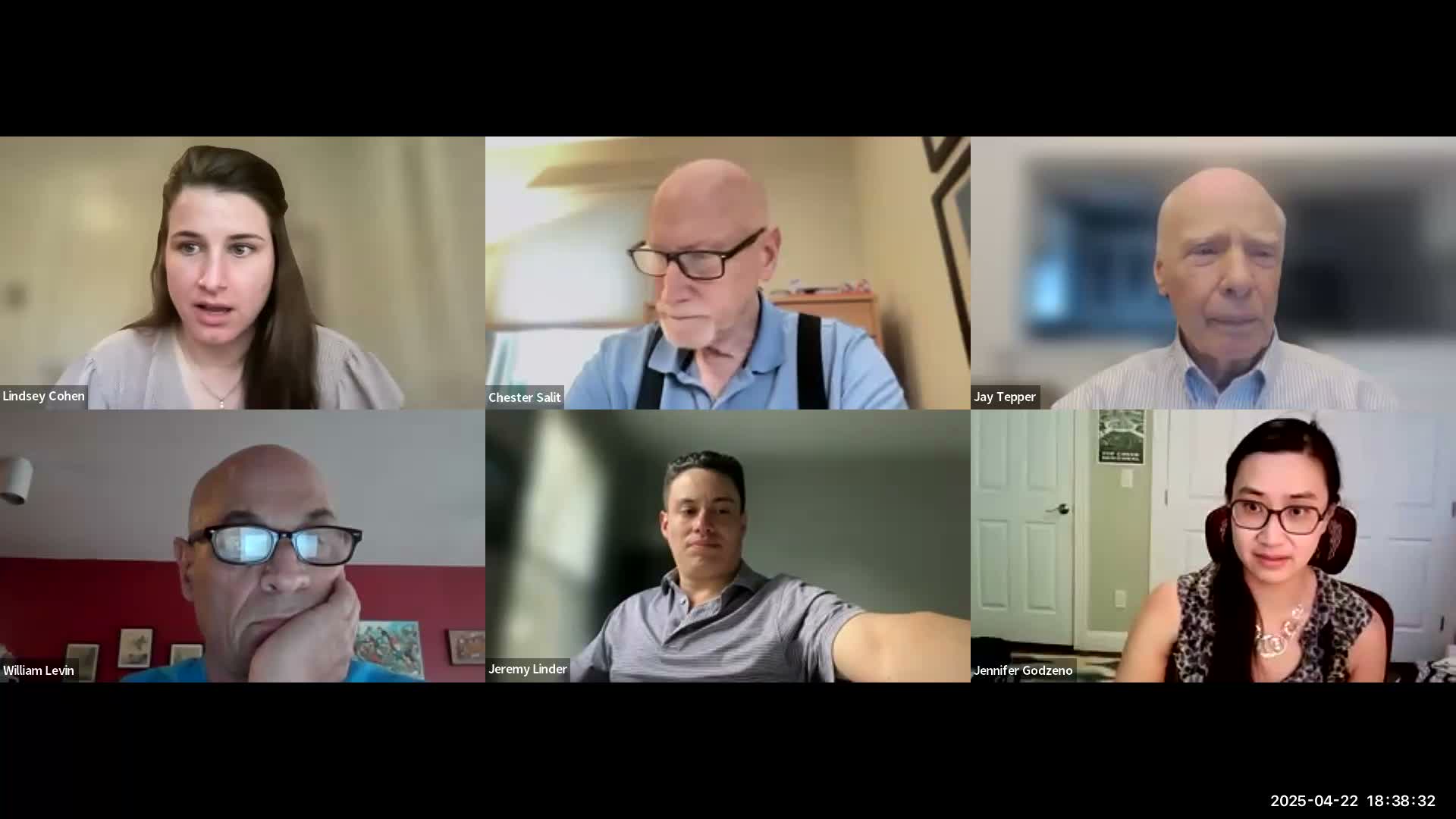
City planners told the Stamford Planning Board on April 22 that the comprehensive‑plan update, branded 'Stamford 2035,' is advancing toward a draft expected in early June and an approval process in mid‑summer. Lindsay Cohen, associate planner and the project manager, said the effort seeks to convert community visions into strategies and an actionable set of 30+ strategies and 90+ actions.
Consultant presentations: Eliza Decker (Sasaki) summarized the consultation and engagement phases, noting nearly 16,000 impressions across in‑person events, digital surveys and social media. The team has used steering and technical advisory committees, large open houses (including a February event at Fish Church) and neighborhood action workshops to test draft strategies.
Youth engagement: Dominique Moore (My Architecture Workshops) described 'My City,' an April 9 one‑day student engagement that gathered more than 7,000 student survey responses and additional family surveys; students submitted posters, photos and videos that will be compiled and shared. "They went and made their own posters. They sent in videos and photographs," Moore said.
Emerging priorities: Consultants highlighted five draft visions and 18 draft goals that echo the 2002 and 2015 plans: encourage infill near transit, link open spaces and waterfront access, expand housing types to improve affordability (cottage courts, duplexes), and improve pedestrian and cyclist safety and traffic calming. The presenters emphasized environmental quality, tree canopy and community gardens as local priorities.
Next steps: The team will run neighborhood action workshops through the coming weeks, publish a draft plan in early June, and begin a two‑month approval process with the planning board; consultants urged moving the formal public hearing to September to maximize participation rather than the originally proposed August hearing date.
Why it matters: The comprehensive plan sets long‑term policy priorities and frames zoning and capital‑investment choices; the board asked staff and consultants to ensure affordability and parking implications are clear as strategies move to implementation.