Get Full Government Meeting Transcripts, Videos, & Alerts Forever!
Get email alerts on the Internship Policy topic
No spam. Unsubscribe anytime.
Yavapai supervisors table proposal to place unpaid intern in district office amid equity and process concerns
Summary
A proposed unpaid internship with Yavapai College to support a district supervisor’s office was tabled after supervisors raised questions about equity, conflicts of interest and board oversight; HR said contracts require board approval and an MOU with the college is in development.
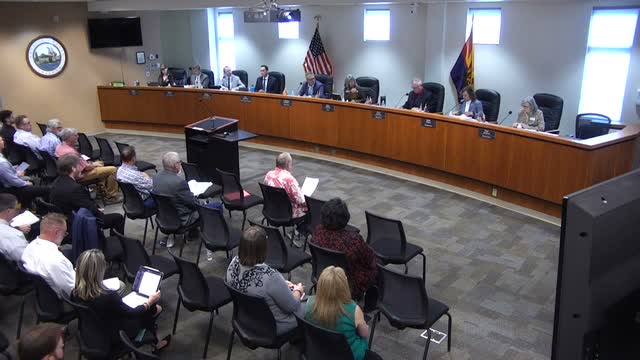
The Yavapai County Board of Supervisors on July 30 tabled a proposal to approve an unpaid internship placement in a supervisor’s district office, citing concerns over how the placement was arranged and whether similar opportunities are available to other supervisors.
The sponsoring supervisor proposed an approximately 135‑hour unpaid internship to help with social‑media outreach and community engagement for the district. Board members questioned why the placement was presented without a standardized county internship policy, a resume in the original packet, or clarity about safeguards against political campaigning. “All contracts and agreements are required to come before the board for approval, and this is an agreement that requires board signature,” Wendy Ross, director of human resources and risk management, told the board.
Supervisor Check said resumes and conflict‑of‑interest checks are essential and urged a consistent countywide process. The sponsoring supervisor described limits on the proposed intern’s access—saying the intern “will not have card access, she will not be allowed on the network, she will sign a confidentiality agreement, and she will have a background check”—and said the placement was intended as short‑term training to build a replicable social‑media outreach blueprint.
Board members pressed for transparency about legal review and parity across districts. Ross said staff is working with Yavapai College’s procurement office on a master MOU so departments can place interns through a single, vetted agreement; that draft is with the county attorney for review, she said. Ross also said unpaid interns who are part of a school credit program are generally processed as volunteers and that the county does not centrally track unpaid interns.
Supervisor Check moved to table the item and requested a public study session to establish a uniform internship policy and clear rules on screening, access and conflict checks. The motion passed 4–1. The board instructed staff to place the item on a future agenda after a study session that would consider equitable processes for internships across all districts.
The board took no disciplinary action and did not deny the county’s ability to host interns; instead, members sought a standardized approach to ensure equity and to avoid the appearance of using county resources for political activity.
Next steps: staff will schedule a public study session to craft a countywide internship policy and report back to the board; the original internship agreement remains tabled.