Get Full Government Meeting Transcripts, Videos, & Alerts Forever!
Get email alerts on the Urban Renewal Grants topic
No spam. Unsubscribe anytime.
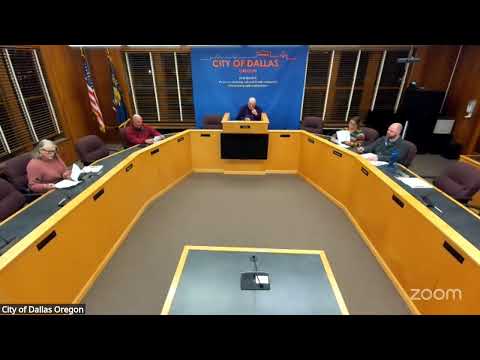
Dallas advisory council backs consolidated $100,000 grant program over loan fund
Summary
The Dallas Urban Renewal advisory council recommended a revised grant program (Option 2) that would combine grant streams into a single roughly $100,000 pot, add ADA and historic‑building scoring, and defer any move to a revolving loan fund for further study.
The Dallas Urban Renewal advisory council voted by consensus to advance a revised grant program that would consolidate small‑project and building‑improvement grants into a single fund of roughly $100,000, staff said. Tyler, urban renewal staff, told the council that Option 2 would "increase the total available funding for grants to around $100,000" and combine awards under one application and set of criteria.
Council members said they favored the larger, consolidated grant pot because it targets bigger projects that can yield greater tax returns. "If we up the amount, we may not necessarily get folks utilizing the whole amount," Tyler said, adding that stricter scoring could help ensure higher‑return projects receive funding.
Why it matters: staff and members framed the choice as weighing short‑term equity for building owners against long‑term fiscal return. Under Option 2, the council would increase award amounts and scoring for projects that improve ADA accessibility and preserve historic buildings, while retaining grants rather than moving fully to loans.
The council discussed Option 3, a revolving loan fund that would make loans up to $25,000 for construction and $5,000 for planning and then re‑lend repaid principal and interest. Tyler described the loan alternative: "we would provide loans of up to $25,000 for construction projects and $5,000 for planning projects," paid upfront rather than reimbursed. But members and some building owners warned loans create barriers: Marlene, a downtown property owner, said she would not apply for a program that required detailed public financial disclosures, noting "we would never fill out any kind of an extensive loan application where people in the city would be able to see our finances."
Members raised operational questions about a loan program: who would underwrite and collect payments, what interest rate would apply, and whether the city has staff capacity. Tyler said staff would consult the finance department and that outsourcing to the council of governments (COG) was an option but would carry fees and reduce net returns to the district.
The advisory council asked staff to return in January with a draft program and directed staff to seek DDA input before presenting materials to the agency by February to meet next‑fiscal‑year deadlines. The committee’s decision was framed as a recommendation to the agency rather than an agency budget appropriation.
The meeting record shows the council approved moving forward with Option 2 by consensus; the motion and second for the consent agenda earlier in the meeting were not named.
What’s next: staff will prepare a draft revised grant program and scoring rubric for the advisory council to review in January and will coordinate with the Dallas Downtown Association before agency consideration.