Get Full Government Meeting Transcripts, Videos, & Alerts Forever!
Get email alerts on the Personnel Legal topic
No spam. Unsubscribe anytime.
Augusta County discusses two sheriff deputies' requests for legal‑fee reimbursement; county attorney flags reimbursement uncertainty
Summary
The board discussed requests by two deputies for reimbursement of legal fees (about $25,000 and $29,128.67). County legal counsel said a board approval could trigger a Compensation Board reimbursement of roughly two‑thirds but warned that there is no controlling case law and the Compensation Board had not yet responded to written questions.
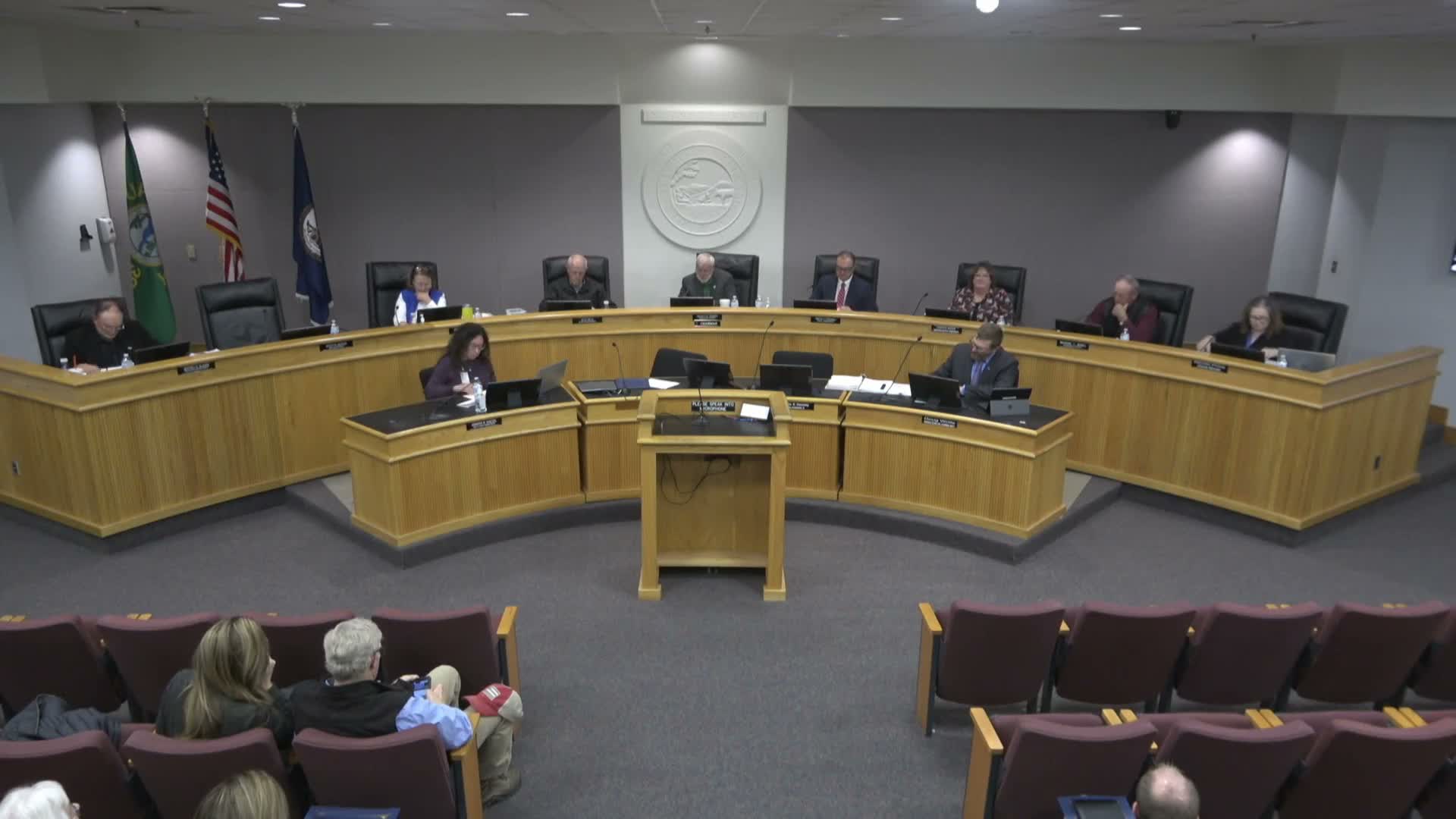
Augusta County supervisors spent a portion of their meeting considering two reimbursement requests from sheriff's deputies for legal fees and expenses.
County legal counsel explained the mechanics the board would follow if it chose to approve the requests: the county would submit a reimbursement request to the Compensation Board through the sheriff's office budget and, if approved, the county could expect to receive two‑thirds of the expenses back from the state. The attorney cautioned that the Compensation Board had not provided a formal answer to a written question and said there is no controlling case law directly on point.
The two requests discussed were $25,000 for the Micule matter and $29,128.67 for the Taylor matter. Board members asked whether the county had handled similar requests in the past; staff said civil litigation often involves insurance coverage, but reimbursements tied to dismissed criminal charges are infrequent and handled on a case‑by‑case basis. The attorney noted that a deputy is eligible to recoup expenses only if the charges were dismissed and the conduct occurred while the deputy was executing official duties.
One supervisor said he was "torn" and reluctant to vote without fuller clarity; the county did not record a formal approval for either reimbursement during the meeting. The attorney said an alternative path for the deputies would be a petition to the circuit court, which could order reimbursement, but that court‑ordered reimbursement raises separate questions about whether the county would be repaid by the Compensation Board.
Next steps identified in the discussion included seeking a formal response from the Compensation Board and, if the board later approves reimbursement, processing the request through the sheriff's budget for state reimbursement.