Little Rock board adopts revisions to UU downtown zoning after months of edits
Loading...
Summary
The Little Rock City Board of Directors approved revisions to the UU (Urban Use) downtown zoning district Dec. 16 after three readings and public comment; supporters said changes will ease development while opponents objected to new height incentives.
The Little Rock City Board of Directors voted Dec. 16 to adopt changes to the UU (Urban Use) zoning district for downtown Little Rock, a set of amendments city staff and planners said will lower barriers for downtown residential development and add conditional-review protections for taller buildings. The ordinance cleared three readings and passed on a 6–2 vote.
Supporters, including planning staff and members of the development community, said the revisions implement recommendations from the Downtown Little Rock master plan and respond to extensive public engagement. “We need to be able to develop. We need the developers to be able to get in and develop residential,” a staff presenter said, urging the board to approve the changes.
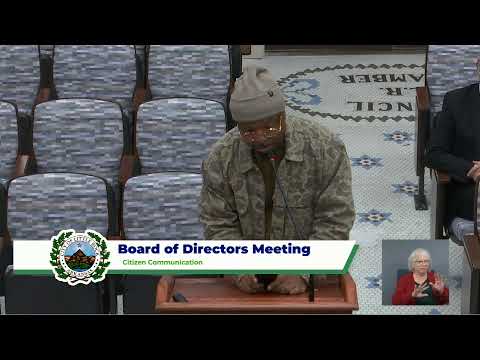
Several downtown residents spoke during the public comment period. Tim Datters, a River Market resident, said he supported most changes but objected to modifications of the height incentive, arguing the existing rules better protected ground-floor commercial space. “The one item that we did not support was the revision in the height requirements,” Datters said, urging the board to keep more stringent protections for mixed-use streetscapes.
City leaders described the adopted approach as tiered: by-right residential building height up to 85 feet, conditional-use review above that level, and a buffer requirement intended to protect views and investments of existing downtown property owners. The board's vote included emergency clauses for some related ordinances; council staff noted that an eight-vote threshold applies to certain emergency provisions under state law, but the zoning changes themselves were approved by the recorded 6–2 vote.
The board said the revisions aim to encourage more downtown housing and economic activity while routing proposals that would most affect neighbors to public review by the planning commission and the board of directors. The item follows an 18-month public review process staff said produced multiple edits before the Dec. 16 vote.
The board did not indicate a separate timetable for implementation beyond the ordinance language and standard permit processes.