Get Full Government Meeting Transcripts, Videos, & Alerts Forever!
Get email alerts on the Police Technology topic
No spam. Unsubscribe anytime.
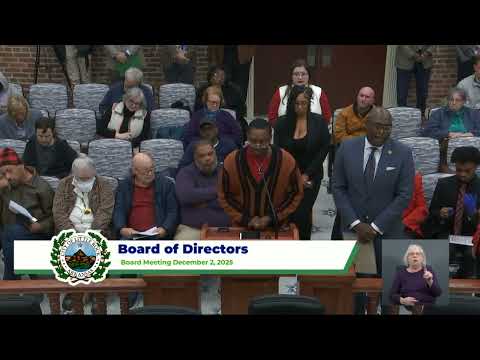
Board declines to adopt police‑technology transparency ordinance after hour‑long debate
Summary
The board rejected an ordinance that would have codified reporting and transparency rules for police technology; Chief of Police told the board LRPD already follows CALEA standards and is building an online transparency portal, while supporters said codification would broaden public access and accountability.
A proposed ordinance to establish transparency and reporting requirements for police technology failed at third reading after extended debate on Dec. 2.
Director Greg Phillips sponsored the ordinance to require annual reporting and public notice about new tools such as license‑plate readers, AI tools and drone protocols. In a prepared statement the Little Rock Police Department chief said the agency already complies with CALEA accreditation standards and maintains an extensive policy manual, and he opposed what he called unnecessary codification of practices the department already follows.
"Transparency and community trust remain at the heart of our mission," the chief said, and described several steps the department is taking, including making policies public, hosting quarterly neighborhood meetings and developing an open information portal for automated license‑plate reader (LPR) data.
Supporters of the ordinance said codifying reporting requirements would create a predictable, publicly accessible schedule for disclosure and bring information to the broader public beyond attendees at quarterly meetings. Director Phillips emphasized the ordinance would create structure and regular, advertised reporting in a forum with higher amplification than neighborhood meetings.
On roll call the ordinance failed to achieve the six votes the board indicated were required, with five votes against, three for and two absences. The chief told the board he would comply with whatever the board decides but reiterated his preference to continue voluntary transparency measures rather than a city ordinance.
Next steps: LRPD said it will continue its work on a public portal and quarterly outreach; supporters of legislative transparency may reintroduce proposals or seek alternate oversight mechanisms.