Get Full Government Meeting Transcripts, Videos, & Alerts Forever!
Get email alerts on the Parks And Planning topic
No spam. Unsubscribe anytime.
Designers pitch 30 Crossing park as 'once in a generation' project; board defers related zoning change
Summary
Sasaki designers presented the 30 Crossing master plan to the Little Rock board, describing the 18‑acre former DOT tract as an opportunity for a catalytic downtown park; directors then debated and voted to defer a downtown zoning amendment (ordinance 20) for two weeks to allow additional neighborhood engagement.
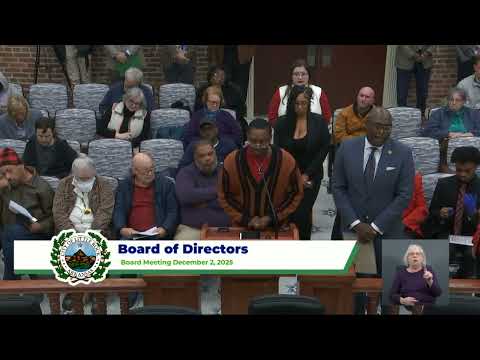
Designers from Sasaki presented the 30 Crossing master plan on Dec. 2, framing the 18‑acre former Arkansas Department of Transportation right‑of‑way as a "once in a generation opportunity" to knit downtown Little Rock's cultural institutions together with a large central park.
Daniel Church and Chris Harding of Sasaki described a vision that expands the site with adjacent city land to about 24 acres, prioritizes shade, stormwater treatment, indigenous and horticultural heritage gardens, and a phased implementation approach that aims for shovel‑ready documents for a "phase 0" interim landscape. Church said the park would connect the Clinton Library grounds, River Market and the Arkansas River Trail and act as an economic development tool for housing, hotels and retail.
"This really is a once in a generation opportunity," Church said as he walked the board through the design rationale and community engagement the firm conducted, including a Food Truck Fest on the site and a public meeting that the team said yielded more than 2,000 inputs.
The presentation segued into debate over ordinance 20, a separate item that would amend downtown UU zoning to facilitate the kinds of development the downtown master plan envisions. Planning staff (Brad) told the board a key change reduced the by‑right building height to 85 feet, with heights above that subject to conditional use review.
Directors split over timing: Director Phillips urged an immediate vote, citing two years of planning and adoption of the downtown master plan; Director Hines and others argued two more weeks would let staff reconvene with a neighborhood group that raised questions. After discussion the board voted to defer ordinance 20 for two weeks (roll call 6–3) to allow additional outreach and to return with documentation to address neighbors' questions.
Next steps: Planning staff were asked to provide a written summary of neighborhood meetings and the exact changes to the ordinance when the item returns to the board.