Get Full Government Meeting Transcripts, Videos, & Alerts Forever!
Get email alerts on the Budget topic
No spam. Unsubscribe anytime.
Little Rock proposes $272 million 2026 budget with raises for police and fire, no across-the-board cuts
Summary
City leaders unveiled a proposed 2026 budget that projects roughly $271'$272 million in general fund revenues, includes 5% raises for police and fire, 1.75% raises for nonuniform staff, a 9% rise in health-insurance costs and no citywide cuts; the budget ordinance is scheduled for the Dec. 9 agenda with approval sought by Dec. 16.
City officials presented a proposed 2026 budget to the Little Rock Board of Directors that would keep overall spending level while funding pay increases for city employees and investing in priority projects.
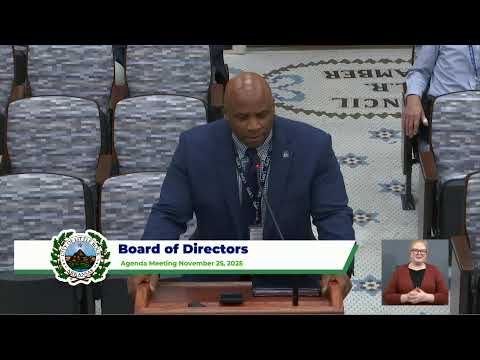
Nick Sarpy, the city CFO, told the board the proposed general fund is projected at roughly $271'$272 million. "Our projection for 2026 is $271,000,000," Sarpy said, and the proposal includes a five-year forecast required by city code.
Why it matters: the plan seeks to avoid layoffs and across-the-board cuts while covering contractual pay increases for police and fire and addressing rising health-insurance costs; board members asked detailed questions about reserves, staffing counts and how near-term decisions such as solid-waste rate changes could affect the adopted budget.
Major elements - No across-the-board cuts: Mayor and staff said the proposal includes no general personnel cuts and aims to deliver salary adjustments rather than reductions. - Pay adjustments: 5% salary increases for uniformed police and fire positions (per union agreements) and 1.75% for nonuniform employees; local-100/union-eligible positions will receive grade progression adjustments that can yield larger increases for incumbents. - Health insurance and personnel costs: the budget includes an assumed 9% increase in health-insurance costs that adds roughly $1.4 million to personnel expenses. - Staffing: overall proposed staffing across funds shows a net reduction of 15 full-time positions for a variety of reasons, while some targeted additions (two parks positions for senior center operations; two zoo positions) are included. - Key capital and special projects: staff identified $4 million estimated need for Fire Station 25, roughly $8 million for a new court building and other priority investments; staff also flagged refinancing a short-term note for a solar facility and continuing evaluation of city-owned property opportunities.
Reserves and fiscal constraints Sarpy said the city's reserve policy target is 10% of revenues. The board discussed a historically lower dedicated reserve balance of about $13.1 million and how FEMA-match obligations and other commitments have constrained moving money into that reserve account. Sarpy noted the city continues to meet reserve requirements in its overall fund balance but that the separate reserve account has lagged policy targets.
Process and next steps The administration plans to place the budget ordinance on the Dec. 9 agenda with the goal of final approval by Dec. 16 to comply with recent state law changes that could require reverting to the 2025 budget if the board does not adopt a 2026 budget by year end. Staff will hold weekly department briefings leading up to final action and provide follow-up materials requested by directors (e.g., combined example bills showing the combined effect of water, sewer and garbage increases).