Get Full Government Meeting Transcripts, Videos, & Alerts Forever!
Get email alerts on the Solid Waste topic
No spam. Unsubscribe anytime.
Consultant: Little Rock solid-waste fees fall short; study recommends ~$10 monthly increase and five-year rate plan
Summary
A Raftalis cost-of-service study presented to the Little Rock Board of Directors finds current residential and landfill fees will not cover capital needs and recommends a five-year rate plan beginning with about $10 per month extra for a typical residential bill in 2026, plus annual smaller increases to fund fleet replacement and landfill liabilities.
A rate study presented to the Little Rock City Board of Directors on the solid waste enterprise fund recommends a multi-year plan to bring charges for service into alignment with operating and capital needs, including an initial increase of roughly $10 per month next year for a typical residential bill.
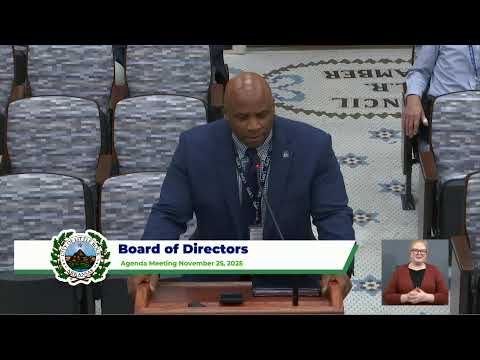
Terry Bovary of Raftalis, the consultant that led the operational scan and financial forecast, told the board that city solid-waste costs have outpaced the consumer price index and that the enterprise currently generates only enough revenue to cover operating expenses, not capital reinvestment. "Starting our forecast, we only have enough revenues to really cover the cost of operating expenses but we don't generate sufficient revenues to cover any capital reinvestment needs of the system," Bovary said during his presentation.
Why it matters: the study finds an aging collection fleet (average age 6.3 years), rising labor and equipment costs, and regulatory liabilities for landfill closure and post-closure care that together create a shortfall for future capital needs if charges are not adjusted.
Key findings and proposals - Initial residential increase: Bovary presented a table showing a proposal of about $10 per month for a typical residential customer in 2026, followed by smaller inflationary increases (roughly $2 per month in later years) under a recommended five-year plan. "We'd recommend adopting a 5 year plan," he said. - Tip fees and intermunicipal dumping: the consultant calculated a cost-of-service for municipal gate rates closer to about $37 per ton (including a reasonable rate-of-return adjustment), compared with the current intermunicipal agreement rate of roughly $22.10, producing an estimated differential of about $11.59 per ton. - Fleet and capital: Raftalis flagged a need to replace aging vehicles and equipment to reduce downtime and long-run operating costs; without revenue for capital, the study projects the fund could run negative by 2029. - Offsets and efficiencies: staff and consultants said investments in routing software and other efficiencies could mitigate future increases but would themselves require upfront funding.
Board response and next step Board members asked about timing and the effect on other bills. Director Phillips and others asked when the rates would take effect; staff indicated a February 1 start date for changes tied to the planned schedule. Several board members voiced support for placing the consultant's recommendations on next week's consent agenda so the matter can proceed toward formal action. The mayor asked for a nod to add the recommendations to the consent agenda; multiple directors agreed.
What remains unresolved No formal ordinance or vote was recorded at the agenda meeting. The consultant noted municipal agreements with North Little Rock, Sherwood and Maumelle expire in 2027, which he said creates a natural review point for intermunicipal gate fees.
The board will consider the study's recommendations on the upcoming consent agenda and could approve rate changes after the formal agenda process and any required ordinance or resolution hearings.