Get Full Government Meeting Transcripts, Videos, & Alerts Forever!
Get email alerts on the Microtransit topic
No spam. Unsubscribe anytime.
Glenwood Springs approves $1-per-ride microtransit pilot, plans data-driven rollout
Summary
The council authorized a data-driven microtransit pilot charging $1 per ride, approving initial service hours, four vehicles of varying capacity and quarterly reporting to monitor ridership and overlap with other regional services.
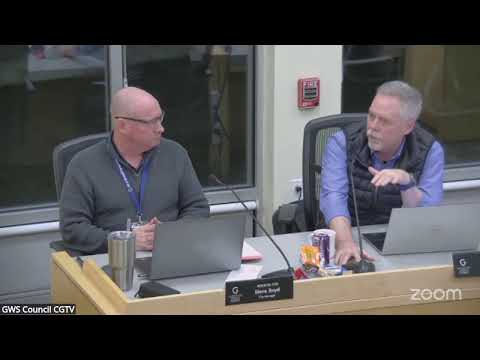
Glenwood Springs City Council unanimously approved a microtransit pilot that will charge $1 per ride and run on a trial schedule while staff collects data to determine route and pricing refinements.
City Engineer Ryan Gordon told council the pilot will begin with four vehicles: two eight-seat vans (including wheelchair-accessible seating), one 11-seat transit van with an ADA ramp and one six-seat minivan. Hours of service are proposed at 7 a.m.–10 p.m. weekdays and 9 a.m.–10 p.m. weekends, covering Glenwood Springs neighborhoods including West Glenwood, Oasis Creek and South Glenwood.
Gordon said procurement and outfitting — particularly ADA ramps for the larger vehicles — could push the start from an initial April target to mid‑April or May. "We are planning a total of 4 vehicles…" he said, describing the vehicle mix and the need for a data collection period to refine pricing and routing. He recommended starting at $1 per ride for the trial and returning to the council with data-driven adjustments.
Councilors asked about pick-up/drop-off distance limits, how shared rides and transfers will work, and how the city will coordinate with RAFTA and other regional services to avoid duplication. Gordon said the service is a demand-responsive van share that will pick up riders where they are and drop them near their destination, and that staff plans to provide quarterly reports with heat maps and ridership data so council can judge overlap and performance.
Councilors voiced support for starting conservatively and then building dynamic pricing or targeted surcharges (for congestion or peak areas) once the city has usage data. The resolution was approved unanimously; staff will proceed with vendor procurement, hiring drivers and a data-collection period before expanding or changing service parameters.