Get Full Government Meeting Transcripts, Videos, & Alerts Forever!
Get email alerts on the Workforce Housing topic
No spam. Unsubscribe anytime.
Council approves three-year top-off for West Mountain housing program
Summary
Glenwood Springs City Council voted to allocate $100,000 per year for three years from local 2C housing funds to the West Mountain Regional Housing Coalition’s Good Deeds program, citing demonstrated pilot success and the ability to leverage additional funds.
Glenwood Springs City Council on Feb. 20 approved a three-year funding commitment to help the West Mountain Regional Housing Coalition convert short‑term rentals into homes for local workers.
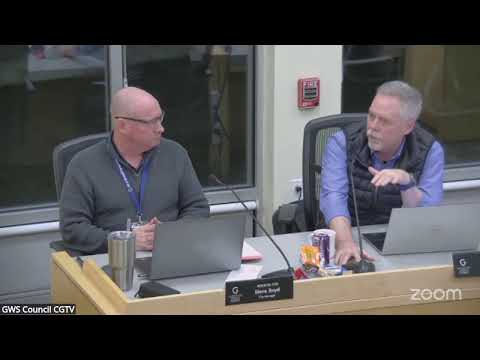
The council voted to allocate $100,000 a year for 2025–2027 from the city’s 2C workforce housing fund to the coalition’s Good Deeds program, a down‑payment assistance initiative that attaches a deed restriction to participating homes. Kevin Reyes, the city’s housing development manager, said the recommendation came from the Workforce Housing Fund Advisory Board and was intended to provide continuity for the program.
Reyes told the council that last year the program helped purchase eight homes across participating jurisdictions — four of them inside Glenwood Springs city limits — and that the council’s prior contribution of $200,000 had produced roughly four homes here. “If you were to do the math … last year, council gave $200,000 to the program, and we got 4 houses out of it,” Reyes said. He described the board’s proposal as a conservative approach to provide ongoing support while leaving open the option to review additional funding requests later.
April Long, executive director of the West Mountain Regional Housing Coalition, described the organization’s operating budget and longer‑term sustainability plans. She said operating funds include member contributions totaling about $180,000 and that the coalition is pursuing additional philanthropic and public‑sector sources. “We intend to grow the operating dollars … and we have a corporation that is considering contributions to our organization right now to the tune of possibly $2,000,000 a year for the next few years,” Long said.
Council discussion touched on fund source and scope. Councilor Schachter, who moved the motion, noted that this allocation comes from the city’s 2C fund (separate from the general fund used last year) and that the ballot language and enabling code permit partnerships across jurisdictions. Reyes confirmed the city’s 2C fund balance at about $2,000,000, taking into account prior allocations and commitments.
The motion — moved by Councilor Schachter and seconded by Councilor Zelensky — passed by the council; the clerk reported the tally as 6–1. Under the approved plan, WAFAB may bring forward additional top‑off requests in future budget cycles if program demand exceeds available funds.
The coalition said new purchases include converted short‑term rentals intended to house workers who live and work in city limits. Implementation and monitoring details for the local allocation were left to staff and the advisory board; councilors asked for continued reporting on program outcomes and leverage opportunities.