Lifetime Citizen Portal Access — AI Briefings, Alerts & Unlimited Follows
Texarkana leaders, downtown businesses clash over proposed Entertainment District restrictions
Loading...
Summary
City officials, police and downtown business owners spent the bulk of the Nov. meeting debating proposed changes to the Entertainment District — including an outside-alcohol ban and earlier street restrictions — with police citing recent fights and firearms, and business owners warning about unclear language and enforcement costs.
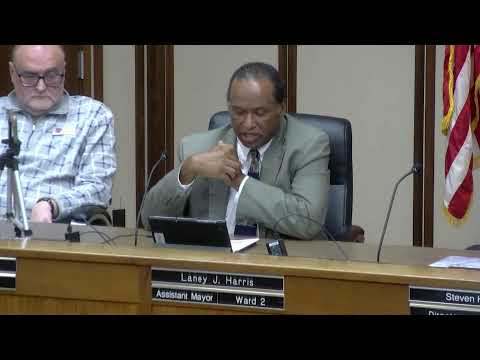
Texarkana Mayor Brown and members of the city’s Board of Directors spent the evening debating a proposed rewrite of the city’s Entertainment District rules after several weeks of workshops and video evidence presented by police.
Police and planning staff said public-safety problems downtown have increased and recommended tighter controls. "Public safety is the number one concern," the police chief told the board, describing recent weekends when officers wrote citations, made arrests and in one chase recovered a firearm. Staff said the department has been assigning overtime officers to downtown shifts and that properly enforcing a change will require continued staffing and expense.
Business owners and downtown residents urged caution. William Nielsen, who works at Eagle Bourbon Bar and lives downtown, told the board the draft ordinance (referred to in testimony as “28‑82”) was "too ambiguous about where the vicinity of the front of a business is," and urged the council to vote no until language and a realistic enforcement budget are worked out. Local bar owner Cody Barling said he supports safety but warned that unclear definitions (for loitering or barrier placement) will lead to inconsistent enforcement and harm legitimate events.
The planning commission and city staff identified three primary options during prior workshops: reduce the hours when open-container consumption is permitted; prohibit alcohol brought in from outside the district; or remove the district entirely. Staff said the district’s original intent was to create a walkable area where patrons could move between businesses; the proposed changes aim to preserve that use while reducing fights and dangerous behavior.
At the meeting several business-oriented suggestions surfaced: removing Rockhouse Liquor from the district boundary so customers could not buy drinks there and immediately walk into the district with glass, creating a wristband or cup system for patrons who buy alcohol from participating businesses, and focusing enforcement on people who congregate in streets or obstruct traffic rather than customers who move between venues.
Boardmembers debated whether to adopt parts of the package now, amend the existing ordinance on the books to add a single provision (no outside alcohol), or send the whole proposal back for more work. Several directors urged speed because staff projected growing overtime costs; staff estimated a possible $95,000 increase in overtime if downtown problems continue and said they were already dedicating overtime officers each Friday and Saturday night.
After extended discussion about constitutionality (loitering language), enforcement logistics and cross‑state coordination with Texarkana’s neighbor, the board did not adopt final operating changes that night. Members agreed to schedule a joint workshop with the planning commission to refine language, iron out enforcement mechanics such as wristband or cup systems, and consider targeted changes (for example, the outside-alcohol restriction) without adopting the full set of proposed hours and fees on short notice.
The board’s next steps were procedural: staff will advertise a joint workshop with the planning commission and seek clearer ordinance language and operational details the board can enforce without raising constitutional or policing issues. The record shows strong support for increased public-safety measures, but substantial disagreement about pace, specific rules and how to fund enforcement.
The board set the ordinance for further consideration at a future meeting and requested outreach to downtown business owners, planning commissioners and law enforcement for a joint workshop.