Mountlake Terrace outlines plan to close roughly $4.2 million annual budget gap, favors tapping banked tax capacity
Loading...
Summary
City staff and the Financial Sustainability Task Force presented preferred and alternative packages to address a projected general‑fund shortfall of about $4.2 million a year (rising to roughly $5.4 million by 2030), recommending a mix of reserve rebuilding, a phased use of banked property‑tax capacity, efficiencies and modest cuts.
Mountlake Terrace city staff told residents at a public meeting that the city faces a multi‑year general‑fund shortfall of about $4.2 million a year in the near term that could grow to roughly $5.4 million by 2030.
Sergei, the city’s finance director, said the shortfall is driven by structurally limited revenue growth and rising costs. He told the meeting the city’s current reserve policy (5% of expenditures) falls well short of the 20% reserve level considered best practice and that projections show reserves dropping below 20% in 2026 and below 5% by 2027 without corrective action.
Why it matters: Mountlake Terrace has legally constrained revenue options—state law limits council‑controlled property‑tax increases to 1% a year—so staff and the Financial Sustainability Task Force (FST) presented a package of revenue enhancements, operational efficiencies and modest expenditure reductions to close the gap while minimizing service loss.
The FST’s preferred package combines several core strategies: an internal cost‑allocation plan, software‑subscription efficiencies, historical budget adjustments, a phased 5% reduction to general‑fund expenditures (about $500,000 in year one and a similar amount in year two) and using the city’s accumulated ‘‘banked’’ property‑tax capacity in a two‑year phase. The banked capacity exists because prior councils did not levy the full available taxing authority; staff said that capacity is more than $2 million and grows with assessed value.
Sergei outlined the numbers and the tradeoffs: using banked capacity stabilizes reserves more quickly but increases the property‑tax share borne by local property owners; alternative approaches such as raising utility taxes or a broad increase in sales tax were described as more regressive or limited by state law. "That's approximately $4.2 million a year," Sergei summarized for the projected gap and follow‑up costs through 2030.
The staff presentation included projected impacts on the fund balance for both the preferred and an alternate package. The preferred package showed a slower short‑term drawdown of reserves followed by recovery toward a 20% target later in the decade; an alternate package that uses only 75% of the banked capacity but includes a $250,000 police‑department reduction reaches similar long‑term reserve levels but carries additional operational and equity tradeoffs.
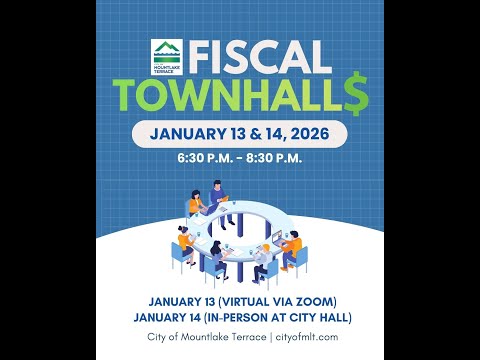
City staff emphasized the plan is a recommendation and that the City Council will review FST feedback in a February work session. Staff also stressed the packages rely on a mix of actions rather than a single change, and asked the public for input in small‑group breakout discussions and via an online feedback form to be posted with meeting materials.
What’s next: The FST will finalize recommendations in January and present them to City Council for further consideration; any formal council decision on tax levies or major service‑delivery changes would follow the council’s deliberative process and legal notice requirements.