
Hosts say FAFSA 2026–27 rollout has been smoother, urge vigilance for account fraud
Get AI-powered insights, summaries, and transcripts
Subscribe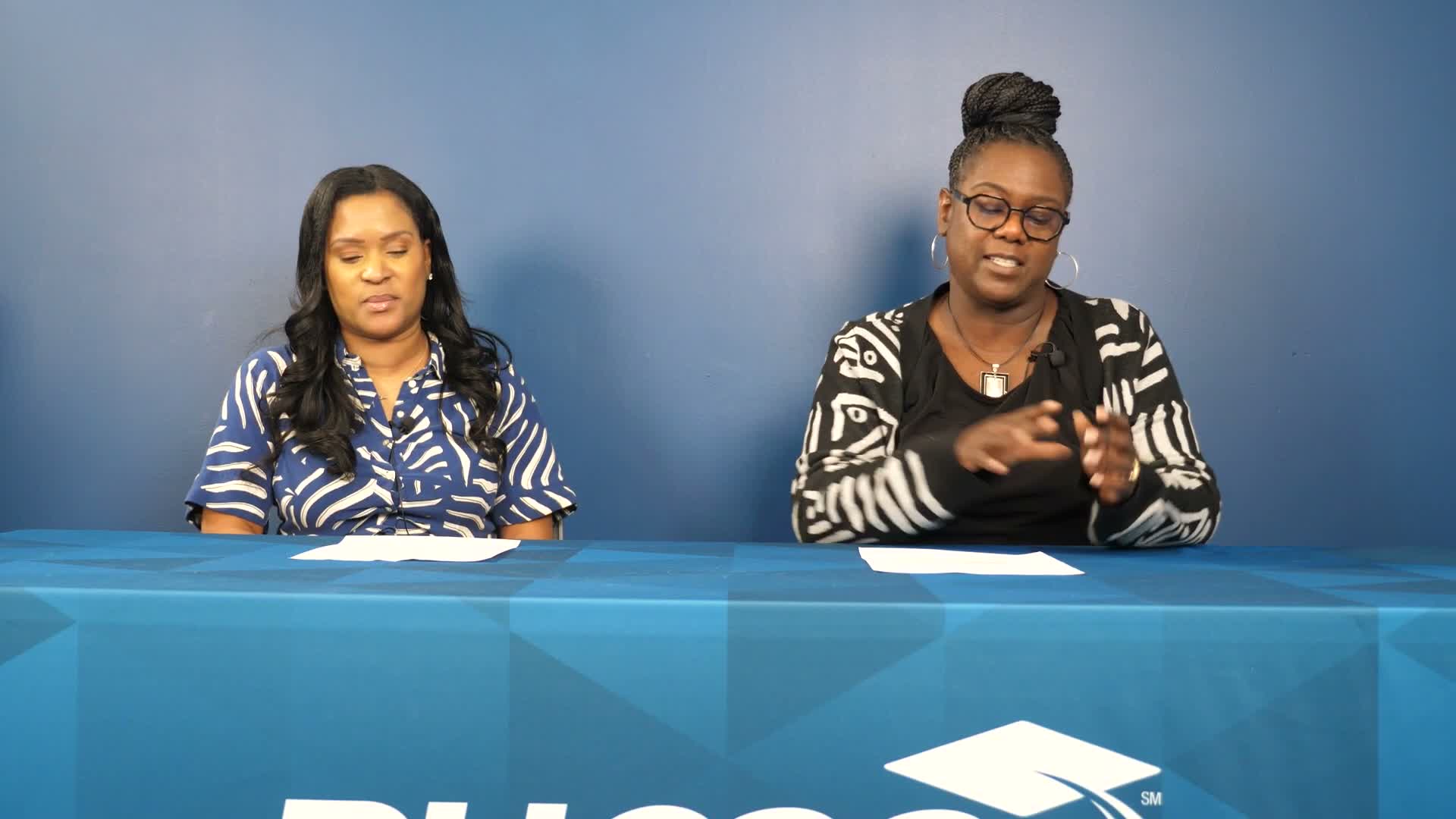
Summary
On a PHEAA podcast, hosts Tiffany DeVan and Dionna Brown said the 2026–27 FAFSA form released early and includes a contributor-code process that simplifies entry; they also warned of 'account already exists' notices and urged students to contact FAFSA customer service if they suspect fraud.
Tiffany DeVan and co-host Dionna Brown, hosts of the Pennsylvania Higher Education Assistance Agency’s Higher Education Access Corner podcast, said the 2026–27 FAFSA form was released earlier than expected and has several user-facing improvements that are making completion easier for students and families.
"I think, first of all, they released the FAFSA earlier than expected," Brown said, and the hosts highlighted a new contributor-code process that avoids requiring contributors’ Social Security numbers. DeVan added that, at recent FAFSA completion events, families were able to move through the form quickly because studentaid.gov now supports more immediate verification when a Social Security number is provided.
Both hosts cautioned that not all account notices are harmless. Brown said some applicants see an "account already exists" notification that is simply duplicate information, but she also reported instances in which fraudulent accounts had been created in other people’s names. "There has been, additional fraud that has been detected on the FAFSA where people have been fraudulently creating accounts in other people's name," Brown said, and she urged listeners who encounter account problems to contact FAFSA customer service for help.
DeVan also noted the federal government lapse at the time of the recording and warned that help-center responses on studentaid.gov may be delayed even though the FAFSA application itself remained available. She recommended using the studentaid.gov help center and the Federal Student Aid information center for reporting problems and, if immediate support is not available, seeking help from local PHEAA partners or college financial-aid offices.
The hosts framed the rollout improvements as their assessment from field experience and recommended that students and families complete the FAFSA as soon as possible, monitor user emails, and follow the studentaid.gov guidance when they see account-related notices. The podcast did not provide independent verification of broad system performance beyond the hosts’ on-the-ground observations.