Get Full Government Meeting Transcripts, Videos, & Alerts Forever!
Get email alerts on the Audit Grants Bha topic
No spam. Unsubscribe anytime.
State auditors flag widespread problems, potential backdating in DHS behavioral health grants; agency vows fixes
Summary
The Office of the Legislative Auditor found pervasive noncompliance in the Behavioral Health Administration—grant oversight, including missing monitoring, late or missing reconciliations, single-source awards lacking justification, and documents created or backdated after auditors—requested them; DHS accepted the findings and pledged corrective action and investigations.
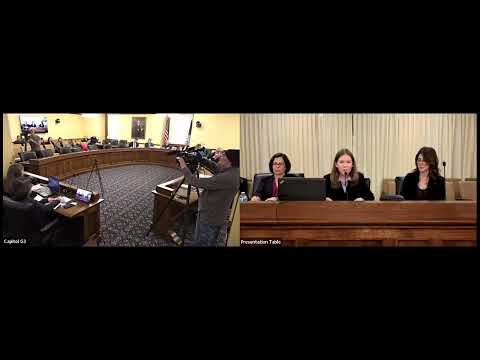
The Legislative Audit Commission on Jan. 6 heard a performance audit that found widespread failures in the Department of Human Services—Behavioral Health Administration—(BHA) grant management, including instances where staff created or backdated records after auditors requested files, questioned tens of thousands of dollars in payments and identified pervasive monitoring and reconciliation lapses.
Legislative Auditor Judy Randall told the commission that auditors "identified a number of documents that the Behavioral Health Administration either backdated or created after our audit began," saying that multiple BHA staff appeared to be involved and that the issue "undermines the integrity of the audit." Randall said the activity ranged from delayed paperwork entry to documents that were entered and backdated by years.
Audit Director Valentina Stone summarized the audit scope and key findings: reviewers examined BHA grants from July 2022 through Dec. 2024, focused on grants to nongovernmental organizations, performed site visits and independent financial reconciliations, and surveyed BHA staff about training and culture. Stone said auditors tested procurement and monitoring practices and found significant exceptions across many areas.
Among the findings highlighted: auditors identified widespread misuse of single-source awards (14 of 24 single-source grants tested lacked adequate justification), payments made before contracts were finalized (more than $915,000 to six grantees), instances of payments for work not performed (about $42,000), and failures to perform required monitoring visits (27 of 60 required visits in a sampled set could not be demonstrated). In one site-visit case, a grantee received $1.6 million in two grants and the audit team questioned a $672,000 first-month payment and identical $40,000 payments to 14 subcontractors where invoices and participant records were insufficient to show services were provided.
The auditors also found that many closeout evaluations were late or completed only after OLA asked for them, and some were backdated in the records. OLA—independently tested a sample of payments and questioned approximately $296,000 in payments to grantees in that sample.
The audit included a staff survey: 86% of surveyed BHA employees responded and roughly three in four who manage grants said they did not receive sufficient training before taking on grant responsibilities; fewer than 20% of employees who performed financial reconciliations said they fully understood how to conduct them correctly. Stone said these findings reinforce the need for training and stronger internal controls.
Acting Commissioner Shereen Gandhi said she was "shocked" to learn of the documentation issues, called falsifying or backdating records "absolutely unacceptable," accepted responsibility for the findings and outlined actions DHS is taking. Gandhi told the commission DHS has added leadership focused on grants, established a Central Grants Office and a grants audit team, required legislatively mandated training for staff, is enhancing the contracts integration system to retain and track documents and dates, and has instituted a process to track progress reports and payments weekly. Gandhi said DHS will complete corrective actions for all findings by the end of the calendar year, with most estimated to be done by summer.
On whether any matters would be referred for criminal investigation, Randall and Gandhi said referrals depend on what investigators find: OLA can and does refer indications of criminal activity to appropriate law enforcement (BCA, attorney general—or county attorneys), and DHS has referred at least one grantee audit to law enforcement and has 15 additional internal audits underway.
Commission members pressed both auditors and DHS on whether falsification was ordered by supervisors or systemic direction within the agency. Representative Anderson said the scope of falsified records suggested coordinated direction, asking, "Who told the staff to do that?" Gandhi said DHS is conducting a thorough investigation, will take appropriate HR or legal action based on findings and is cooperating with OLA.
Auditors urged the legislature to clarify statutory language when appropriations are labeled as "payments" rather than "grants," because DHS treated some legislatively directed payments as outside the Office of Grants Management rules. OLA recommended either defining "payment" in statute to trigger grant oversight rules or using the term "grant" when the legislature intends grant-like oversight.
What happens next: DHS has committed to publish public grant documents where allowed, enhance training and system controls, strengthen supervisor review of reconciliations and monitoring, and pursue recoupment or legal remedies where payments lack support. OLA said it will continue oversight and may refer evidence of illegal conduct to law enforcement. The commission did not take formal votes; members signaled interest in legislative changes such as cooling-off periods for former employees and clearer statutory oversight of legislatively appropriated payments.
The hearing record and OLA—report provide details and specific findings that legislators said will inform possible statutory changes and further inquiry.