Downey council adopts water-rate increase to fund planned $127 million PFAS treatment plant
Loading...
Summary
The Downey City Council unanimously adopted a resolution raising water rates effective 01/14/2026 to fund capital work including a roughly $127 million PFAS treatment plant; staff said the increase keeps Downey among the region's lowest water rates, while residents urged relief for fixed-income households.
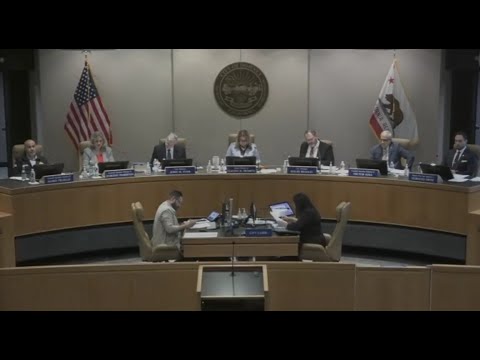
The Downey City Council on Jan. 13 voted unanimously to adopt Resolution No. 26-83329, approving new water rates the city says are necessary to restore reserves and fund capital projects including a planned PFAS treatment plant. The changes take effect Jan. 14, 2026, and customers should begin seeing the adjustments on bimonthly bills in about two months.
The move follows a multi-month rate study by Raftelis and staff presentations summarizing a decade of stagnant revenue, rising costs and the need for major capital work. "The city hasn't raised rates in 10 years," said Steve Gangan of Raftelis during the council's presentation, noting inflation and falling revenues. He said the city faces an approximate $127,000,000 cost to build a PFAS treatment facility and that proposed rates are structured to meet State Revolving Fund requirements and to preserve the Water Enterprise Fund.
Why it matters: City staff said the Water Enterprise Fund's leftover annual balance fell from about $5 million in 2015 to essentially zero today, leaving insufficient reserves for upgrades, well rehabilitation and permanent backup generation. Staff and Raftelis presented a financial plan that, they said, restores required reserves before the city would borrow from the State Revolving Fund.
What staff proposed and defended: The Raftelis analysis shows an updated fixed meter charge and tiered volumetric rates. "An average single-family customer's current bill of about $30 would increase by just under $15 in the first year," Gangan said, which staff explained appears on bills as roughly a $29-$30 increase on the city's bimonthly statement. Staff highlighted outreach since November 2025, including mailed notices and multiple community meetings, and reported a total of 60 written protests and objections submitted to the city clerk as of the hearing.
Public response: During the public-hearing portion of the meeting, residents repeatedly urged the council to protect seniors and fixed-income households from the impact of higher charges. "Most of the residents were fixed income. If you increase the price for us, it will be very difficult," one resident said, urging a targeted discount for vulnerable neighbors. Staff acknowledged the protests and described where the study and supporting materials are posted online.
Council debate and vote: Council members asked about the timing of the changes, outreach attendance and which accounts bore the largest increases (larger meter classes, said staff, are typically corporations or industrial accounts). Council Member Solis stressed the long-term risks of underfunding the utility and moved to adopt staff's recommendation; the motion passed unanimously.
What happens next: With the resolution adopted, staff will implement the new charges and continue outreach and billing notifications. The city said it will also pursue a mix of low-interest loans and grant funding it has been negotiating to reduce rate pressure on customers.
Details: Staff cited the Proposition 218 process and notified customers per state requirements; the agenda report lists the water-rate study and objection responses on the city website.