
Board reviews revised tourist commission ordinance to allow 1%–3% transient-tax rebates for qualifying hotels
Get AI-powered insights, summaries, and transcripts
Subscribe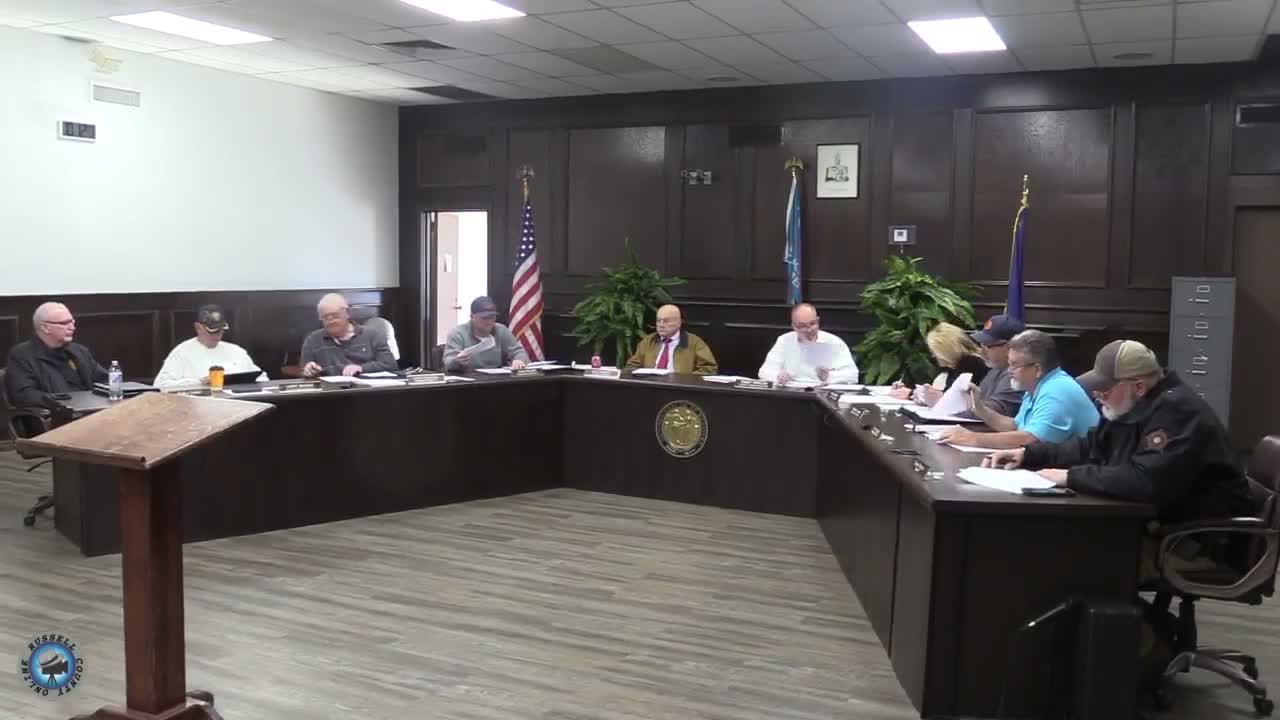
Summary
The fiscal board reviewed revisions to the Lake Cumberland Tourist Commission ordinance to align language with KRS, clarify penalties, and authorize a 1%–3% transient-room tax rebate via application for qualifying lodging developers; discussion emphasized attracting motels and jobs to Russell County.
The Russell County fiscal board conducted a reading by title of a revised ordinance for the Lake Cumberland Tourist Commission that updates statutory language, clarifies late-payment penalties, and creates a narrowly defined incentive authority to offer transient-room tax rebates to qualifying lodging projects.
A presenter said the text was pulled directly from the Kentucky Revised Statutes to ensure accuracy, changing references such as "registration permit" to "certificate" and expanding the list of lodging types covered by the ordinance. The revision clarifies late-payment penalties to read as a $100 charge every 30 days rather than an ambiguous percentage schedule.
The ordinance also adds a new transient-room incentive authority: after an application process, the commission — in consultation with the county attorney and the commission director — may authorize a rebate of 1% up to 3% of the collected transient-room tax for lodging developers whose projects meet minimum criteria. Those criteria, as described in the reading, may include minimum building square footage, a minimum number of guest rooms, projected full- and part-time jobs created, and demonstrable tourism-related benefits. Any approved rebate must be used for tourism-related purposes.
Board members spoke in favor of having a local incentive available when recruiting motels and lodging projects, noting other counties offer similar tools. The presenter and members emphasized that any incentive would be considered case by case and documented in written agreements.
The transcript records the ordinance reading and discussion; no formal vote adopting the revised ordinance was recorded in the segment provided.