Get Full Government Meeting Transcripts, Videos, & Alerts Forever!
Get email alerts on the Ethics Conflict Ev topic
No spam. Unsubscribe anytime.
Resident alleges conflict of interest in December EV‑charger vote; council debates disclosure and records process
Summary
At its Jan. 12 meeting, the Friendship Heights Village Council heard a public allegation that a council member who originated a December motion to install a free EV‑charging station owns an electric vehicle; council members disagreed over whether the resident’s email constituted a records request and defended the prior votes. The council adopted an ethics policy the same night.
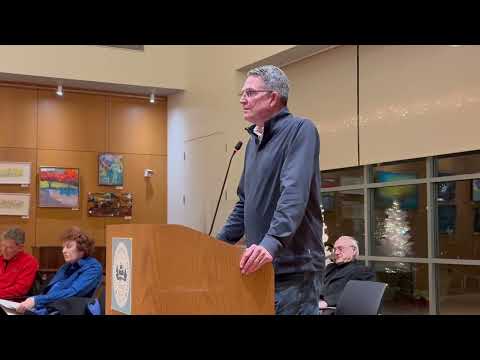
A resident told the Village of Friendship Heights Council on Jan. 12 that materials and video from December’s discussion of an electric‑vehicle charging station showed a potential conflict of interest.
"That's a conflict of interest. The use of public funds for personal gain," said Bobby Hester, who cited a public record and the December meeting video that, he said, identify the council member who originated the motion to provide free use of the station and who owns an EV. Hester said he had filed a records request and initially was told no responsive records existed; he later found a document on the village website and the village manager confirmed its existence.
Mayor Roy Schafer responded that the council followed an established process for handling records requests and criticized what he described as inconsistent scrutiny by the resident toward a past council member. Schafer noted that the village has a longstanding policy that, in practice, requires residents to route document requests through the village manager rather than individually to council members.
Other council members said the question of whether the resident’s emailed questions constituted a records request was debatable. One council member said they had abstained from the December vote and that the council remained open to charging users in the future depending on usage data. Another council member called for staff to report back with utilization information so the council can evaluate whether cost recovery or user fees are appropriate.
Hester also told the council he had asked each council member whether they own an electric vehicle and why they did not declare conflicts when voting. He said he did not receive responses from the six members who voted in favor at the December meeting.
The council adopted a new public ethics policy during the Jan. 12 meeting that, per the presenter, prohibits financial interest in matters before the taxing district and requires annual certification; supporters described the policy as "long overdue." The ethics policy does not itself retroactively change the December vote but provides a new standard for future disclosures and certifications.
The council did not take additional immediate procedural action on Hester’s request for disclosure during the Jan. 12 meeting; several council members suggested the village manager could follow up on records‑request procedures and internal disclosure mechanisms.
What’s next: the ethics policy will require annual certifications; staff and council members indicated they would follow up on Hester’s public‑records question and may provide data about station usage to inform whether the village should charge for use in the future.