Get Full Government Meeting Transcripts, Videos, & Alerts Forever!
Get email alerts on the Ems Operations topic
No spam. Unsubscribe anytime.
Coffee County EMS reports higher post‑pandemic call volumes, bids for new unit and improved staffing
Summary
County EMS staff reported that call volumes have settled higher than pre‑pandemic levels in some zones, presented a 2025 response total of 10,976, said bids are out for a replacement truck/box, and described modest staffing gains.
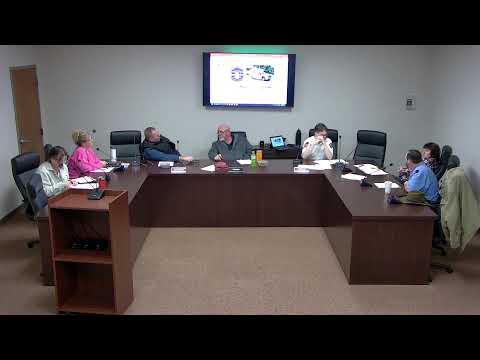
Michael, a Coffee County EMS staff member, told the Authority on Jan. 15 that call volumes have settled at a higher post‑pandemic level in some zones and that long‑term averages are rising. "Our total responses for 2025 are 10,976," he said, and contrasted that figure with the prior year (the prior‑year number in the transcript is garbled). He said Manchester remains the most variable zone and is now averaging roughly 500 calls per month.
Michael described operational measures: scene times have improved by about a minute and response times by roughly five minutes in recent comparisons, though the differences are small across the system. He said bids are currently out for a new apparatus—a truck and a separately mounted box—because several existing boxes are too old to remount. He told the board the procurement went out within the past two to three months and that staff will review delivery windows when bids return.
On staffing, Michael said the service has three part‑time employees who work nearly every shift but cannot be placed on full‑time schedules because they hold other jobs; he noted some medic vacancies remain but that daily coverage has improved. Board members asked about long response-time incidents; Michael said he reviewed a list and estimated "probably 15," with about 10 of those addresses in Lakewood Park, and he committed to providing the list to the board for mapping.
Board members and staff discussed a limitation with the ESO records management/software: the vendor's plotting function requires coordinates (latitude/longitude) rather than street addresses to produce accurate maps, so staff cannot reliably map every call automatically. Michael said staff will provide the address list from which the board can manually plot a small number of incidents and will return with follow-up information at the next meeting.
Next steps: bids will be evaluated when they return, staff will circulate the long‑response list (Laurie or other staff), and the board will revisit any operational changes or procurement decisions in a subsequent meeting.