Get Full Government Meeting Transcripts, Videos, & Alerts Forever!
Get email alerts on the Education Programs topic
No spam. Unsubscribe anytime.
Riverton Middle School showcases student programs as Spartan Academy growth highlighted
Summary
Riverton Middle School staff and students told the Fremont County School District #25 board about expanded extracurriculars, a rotating schedule pilots and Spartan Academy’s role re-engaging at-risk students; staff reported early behavior improvements and asked for continued district support.
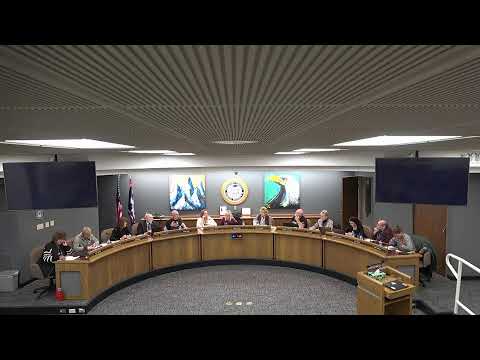
Riverton Middle School leaders and students presented a broad update to the Fremont County School District #25 board on programs, curricular changes and supports designed to boost engagement and outcomes.
Principal Aziz Wahid opened the school’s presentation by saying the word of the year is “challenged,” a theme meant to push staff to innovate and provide more opportunities for students. He and Assistant Principal Brandy Slack said extracurricular involvement correlates with higher attendance, better grades and stronger social outcomes.
Students described specific programs: Kennedy Sheets (sports) credited athletics with building leadership and academic focus; Logan Watson described leatherworking competitions; Doug Lewis summarized student council community food drives; Easton Becken outlined FFA activities, jazz band and “flex” focused-learning courses; and multiple students highlighted clubs including robotics, gaming, welding and a musical production scheduled for late February. Several presenters said competitions and travel (state FFA, Kinzer Jazz Festival) give students goals and broaden experiences.
Staff described instructional changes. Teachers said the middle school moved to a rotating-core schedule so students encounter core teachers at varied times each week to address behavior, attendance and engagement patterns. An administrator said early data shows a decrease in behavior incidents but that longer-term academic effects are still being tracked.
Dietrich Becker, Spartan Academy counselor, described the district’s in-house alternative program that serves roughly 35–40 sixth- through eighth-grade students with a small staff team (three teachers and one counselor). Becker credited the program’s small classes and use of the Ingenuity online curriculum with re-engaging students who previously had extreme absenteeism; he shared a student account describing a turnaround after missing more than 60 school days.
Exploratory departments and content-area leads gave brief updates: Casey (Exploratories) highlighted PE, band, foods and computer science; Shai (ELA) reported YTOP growth and use of project-based learning and AI tools in classroom units; Tasha Revalet (math) described gamified fluency and real-world units; and the science and social-studies teams reviewed field trips and experiential projects.
Board members praised the programs and encouraged continued communication about outcomes and resource needs. Principal Wahid thanked the board for ongoing approvals that sustain extracurricular offerings and said the district’s support has been “instrumental” in expanding programs such as Spartan Academy.
The board did not take formal action during the presentation, and trustees asked administration to continue reporting early data on behavior and academic measures as the rotating schedule and program expansions proceed.