
House members outline surface‑transportation reauthorization priorities focused on formula funding, flexibility and project delivery
Get AI-powered insights, summaries, and transcripts
Subscribe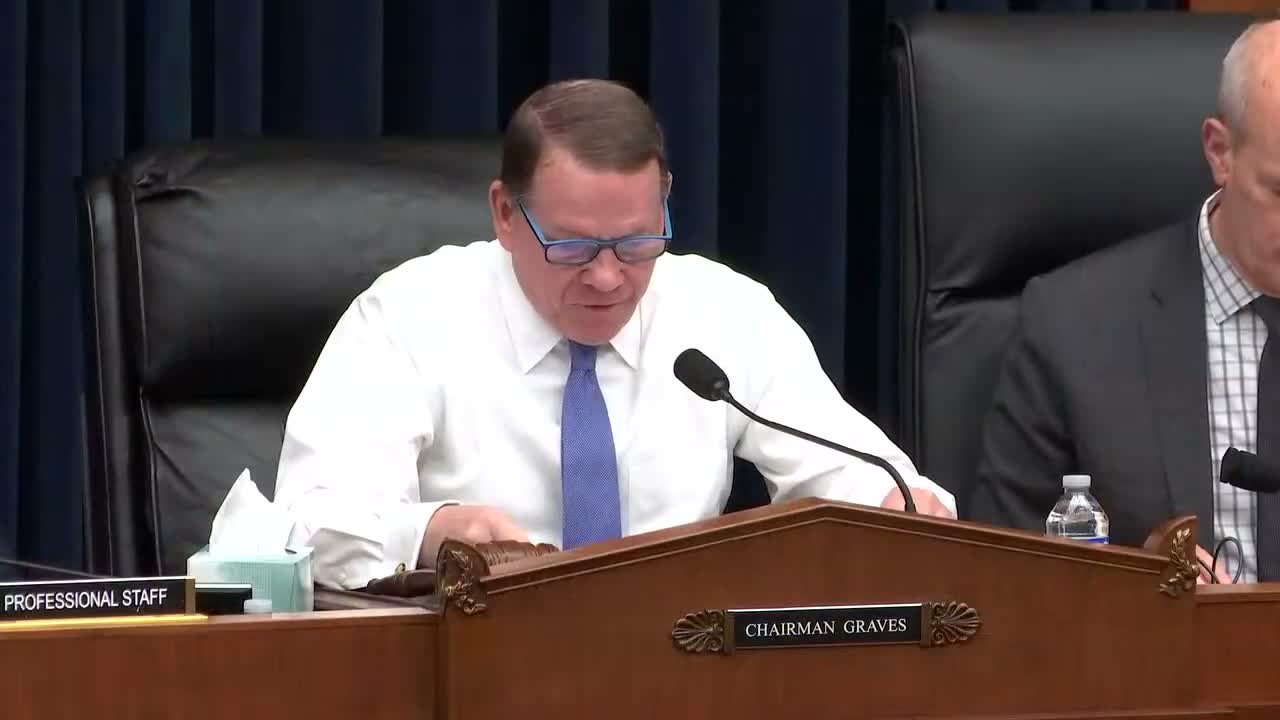
Summary
More than 30 House members used a committee 'member day' hearing to press priorities for the upcoming surface‑transportation reauthorization, emphasizing formula funding, fewer administrative burdens, expanded state flexibility and targeted grant support for rural and multimodal projects.
Acting members of the House Transportation and Infrastructure Committee heard a day of member testimony focusing on priorities for the upcoming surface‑transportation reauthorization.
Representative Rick (ranking member) opened the hearing by framing the effort as bipartisan and urged Congress to pass a surface bill that advances safety, jobs and system reliability. Several members urged placing a higher premium on formula funding and simplifying administrative requirements so states can obligate funds without last‑minute redistributions.
Representative Rose said Tennessee’s priority is a reauthorization that favors formula programs over discretionary grants, improves state flexibility and reduces administrative burdens, including a four‑year obligation window to lessen end‑of‑year redistribution spikes. “Reliable funding allows for consistent progress in safety improvements, economic growth, and modernization of our infrastructure,” Rose said.
Several members pressed for specific program changes: Representative Mullen urged inclusion of an Empty Lots to Housing Act to let local agencies dispose of underused federally owned property for housing; Representative Newhouse and others asked for continued support for ports, inland waterways and harbor maintenance; Representative Kaptur asked the committee to oversee execution of competitive RAISE awards after delayed funding stalled a $20 million Toledo project.
Members representing rural districts emphasized eligibility and funding for rural grant programs. Representative Salinas told the committee that projects like the Newberg‑Dundee bypass and bridge replacements in Oregon require flexible competitive grants to reach construction, noting that some rural grant programs can cover “up to 100% of project costs.” Representative Tagman (Wyoming) described the importance of maintaining safety and supply chains in low‑density corridors and recommended streamlining federal rules so state and local partners can move projects forward more quickly.
The testimony also sought to broaden the bill’s scope to include modern technologies and workforce needs: Representative Mullen recommended studying AI and LiDAR pilot programs for rail crossing safety and Representative Jayapal pressed the committee to address air‑traffic controller staffing, pay and training as part of a comprehensive surface and aviation modernization strategy.
The hearing produced no formal actions or votes. Members asked staff to consider language that balances formula stability with targeted, flexible grant opportunities to reach disadvantaged and rural communities.
The committee adjourned after hearing testimony from more than 30 members and signaled plans to begin markups on the surface bill early this year.