
State board suspends teacher license for remainder of contract term after PPC review
Get AI-powered insights, summaries, and transcripts
Subscribe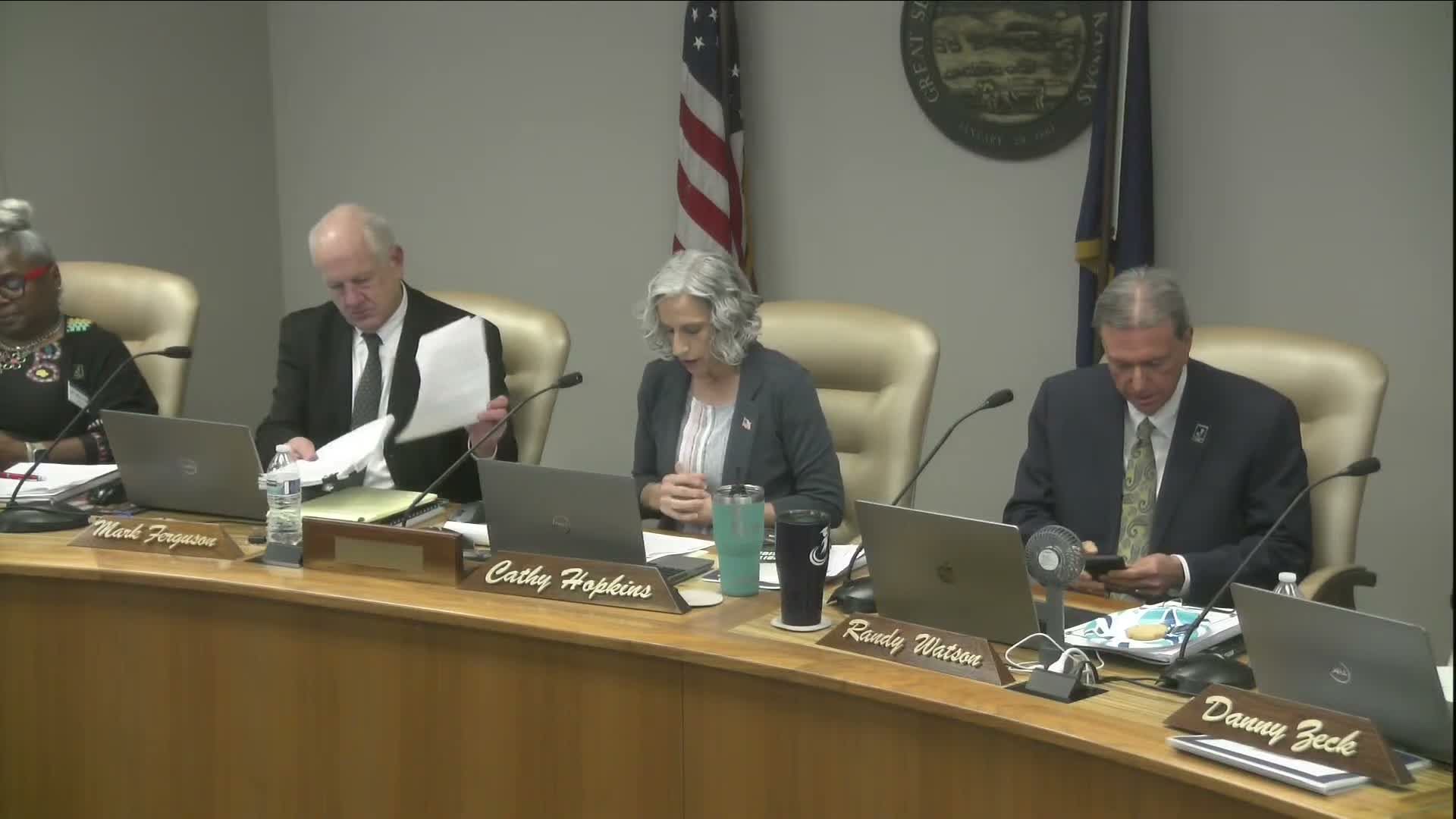
Summary
Following a Professional Practices Commission review of a stipulated complaint, the Kansas State Board voted 9–1 to suspend a licensee's teaching license for the remainder of the contract term; the board instructed counsel to clarify regulatory language around contract‑breach discipline.
The Kansas State Board of Education voted 9–1 on Jan. 13 to suspend a teacher-license holder for the remainder of the contract term following a recommendation from the Professional Practices Commission (PPC).
The matter came to the board on a stipulated initial order filed by the parties and reviewed by the PPC; PPC had recommended public censure, but the board determined the statutory remedy for breach-of-contract complaints required a suspension for the remainder of the contract period and voted accordingly. PPC vice chair Doctor Ziegler summarized the unusual procedural posture: the parties had proposed facts without a formal hearing and asked the PPC to consider a consent resolution.
Scott Gordon, KSBE general counsel, and PPC members briefed the board on the process and statutory framework. Board members debated the record's limits given the absence of a contested hearing and asked staff to bring forward clearer regulatory language to align administrative rules with statute going forward. "If it's the wish of the board, we will work on revising regulation language to remove ambiguity," counsel said after the vote.
The board's recorded vote to suspend the license until the end of the contract term was 9–1. Board counsel noted that any disciplinary action would be reported through national clearinghouse channels and could be visible to other states and employers; the board also discussed how redaction and publication obligations apply to disciplinary records.