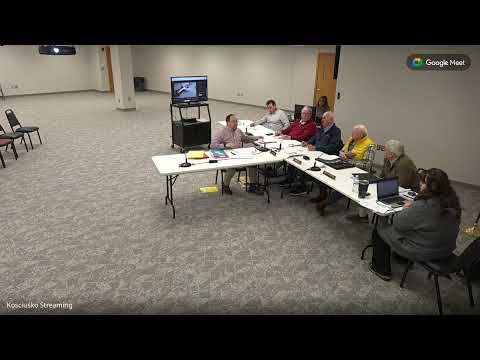
Kosciusko BZA delays big Lake Tippecanoe restaurant and condo proposals to Feb. 10
Loading...
Summary
The board agreed to continue multiple linked petitions for a proposed restaurant and a nine‑unit condominium project on Lake Tippecanoe to give neighbors time to review and allow staff to collect additional information, including parking and shoreline questions.
The Kosciusko County Board of Zoning Appeals on Jan. — at a packed public hearing — continued a set of linked petitions for a proposed restaurant and a nine‑unit condominium project on Lake Tippecanoe to the board's Feb. 10 meeting, after residents and the board asked for more time to evaluate parking, shoreline frontage and public‑safety concerns.
Petitioners said the plan divides an existing commercial parcel and would remove two older commercial structures and an active boat ramp, replacing them with a restaurant on one parcel and a 9‑unit condominium on the other. Steve Snyder, representing the condominium petitioner, told the board the proposed condo parcel would total roughly 2.17 acres and include nine garage spaces and an overall plan that shows 32 parking spaces for the units and guests. He said the design provides what he called “more than adequate parking” for normal use and that the development would reduce boat and road traffic compared with the prior marina use.
Opposition came from lake residents and the Lake Tippecanoe Property Owners Association, which asked the board to delay action so neighbors could organize and, if necessary, retain counsel. Joe Lennon, president of the LTPO, said the association is concerned the requested variances — including a reduction in required lake frontage for the condo units — set a precedent that could enable future “funneling” developments that increase boat and vehicle traffic and harm the lake environment. “These zoning provisions regarding funneling were established for a reason,” Lennon told the board.
Board members raised multiple technical concerns, including whether the property split should be final before some variances are decided, how parking will be delineated and enforced, emergency access for fire and ambulance services, and the treatment of an existing boat ramp that petitioners propose to eliminate. Staff noted the DNR considers a boat ramp and boatwell to be an extension of shoreline for the county’s lake‑front rules, which affects the frontage calculations.
After extended testimony from property owners on both sides, a board member moved to continue all five related hearings (the restaurant/parking petition and the four condominium‑related petitions) for 30 days; the motion carried. The cases will be taken up again at the Feb. 10 hearing, when the board expects supplemental materials and any new, timely public input to be admitted.