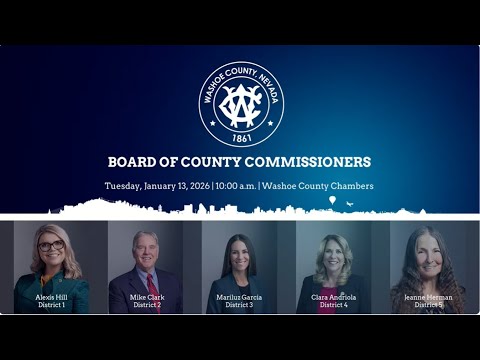
Commissioners authorize staff study of abandoned parcels, illegal dumping and encampments in Sun Valley

Washoe County Board of County Commissioners · January 13, 2026

Get AI-powered insights, summaries, and transcripts

Subscribe
AI-Generated Content: All content on this page was generated by AI to highlight key points from the meeting. For complete details and context, we recommend watching the full video. so we can fix them.

Summary

After sustained public testimony, the board unanimously authorized more than four hours of multi‑department staff time to inventory and recommend fixes for abandoned parcels and private road parcels that have become dumping or encampment sites, with reported large volumes collected in recent cleanups.

Washoe County commissioners unanimously voted to direct county staff to spend more than four hours on a multi‑department review of abandoned and ownerless parcels where illegal dumping, squatting, and fire hazards have accumulated, particularly in Sun Valley.

Assistant County Manager Dave Solaro told the board the request responds to recurring situations where parcels have unclear ownership (heirs not identified, deceased owners, or trustee status) and where code enforcement and law enforcement have limited authority to act without clear title or statutory authority. He described examples of roadside parcels and long, narrow property strips that currently lack enforceable ownership and therefore are difficult to abate.

Commissioner Marlouse Garcia described three community cleanups she helped organize and fund, citing the tangible scale: more than 4,000 tires, 12,000 pounds of e‑waste, 23,000 pounds of household hazardous waste, 136 large appliances and 75,000 pounds of general waste collected across multiple events. She said repeated, targeted cleanups need systemic policy changes — potential tools include land‑banking, targeted acquisitions, prioritizing senior homeowners for private property cleanups and other interventions.

Board members agreed the effort requires co‑ordination across multiple county departments (Assessor, Treasurer, Recorder, Sheriff’s Office, Code Enforcement, Community Services and the District Attorney). DA Michael Large said his office has already run chain‑of‑title searches for the parcel list provided; he recommended forming a task force to determine legal authority and the most expeditious remedies for each parcel.

The motion, made by Commissioner Garcia and seconded by Commissioner Andrea (Andreella), passed unanimously. Staff will return with a scoped plan, task force membership, parcel lists (public‑facing where appropriate), and recommended next steps, including legal pathways for abatement, potential use of trustee sales or county acquisition where warranted, and funding approaches.

What to expect next: Staff will inventory the parcels brought forward by community partners and internal teams, analyze chain of title and legal options for abatement, and return to the board with a phased strategy and estimated staff time and costs.