Senate Commerce hearing spotlights bipartisan push to curb youth social media use and tighten AI safeguards
Loading...
Summary
Senators of both parties pressed for stronger federal limits on children's access to social media and AI chatbots during a Senate Commerce Committee hearing featuring four experts who recommended higher age thresholds, bell‑to‑bell school bans and design‑based safeguards. Lawmakers debated COSMO, COPPA 2, E‑Rate and other proposals and set deadlines for follow‑up questions.
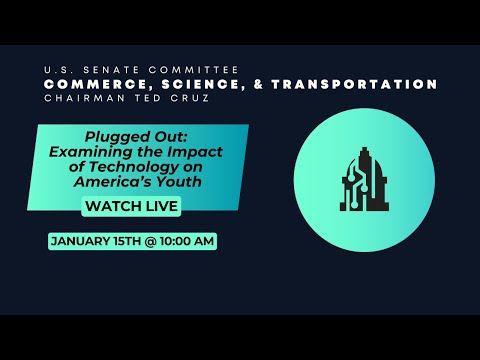
Chairman Cruz convened the Senate Commerce Committee hearing by telling lawmakers, "It's incredibly hard to be a kid right now," and framing the hearing as part of ongoing efforts to protect children from the harms of excessive screen time, algorithmic feeds and exploitative AI products.
Witnesses Jean Twenge, Jared Cooney Horvath, Emily Chirkin and Jenny Radesky testified about studies, mechanisms and policy options that they said could reduce harms to youth. Twenge argued the rise of smartphones and social media since about 2012 coincided with sharp increases in adolescent depression and suicide and urged raising the minimum age for social media and AI‑companion apps; she recommended bell‑to‑bell phone bans in schools and stricter age verification. Horvath and Chirkin emphasized learning and developmental harms tied to classroom device use and parental support structures. Radesky called for “child‑centered design,” improved filtering on school devices and accountability for data and engagement‑focused product features.
Lawmakers pressed witnesses on both the science and the practicalities of enforcement. Ranking Member Cantwell called child online safety "not a partisan issue," citing studies linking platform design to body‑image problems and self‑harm risks. Senator Markey disputed an early characterization that E‑Rate expansions created "unsupervised" home access and reminded members that E‑Rate recipients are required to follow CIPA protections. Senators including Schatz, Hickenlooper and Lujan pressed for a range of federal tools, from banning algorithmic feeds for minors to requiring public‑service spending by online advertisers.
On specific legislation, witnesses generally endorsed parts of the Kids Off Social Media Act (referred to at the hearing as COSMO), with some suggesting a higher age threshold (16 or 18) than COSMO's 13‑year baseline. Lawmakers also discussed COPPA 2, the Take It Down Act, COSA and an "ads for mental health" reporting bill that would ask online advertisers to disclose public‑service spending; witnesses described such measures as useful steps but not replacements for tougher age‑ and design‑based rules.
The committee concluded the hearing by setting administrative deadlines: senators may submit written questions for the record through Jan. 22, and witnesses must respond by Feb. 5. Chairman Cruz adjourned the committee after an extended bipartisan exchange that repeatedly returned to age limits, school device policies and the need for enforceable design standards.