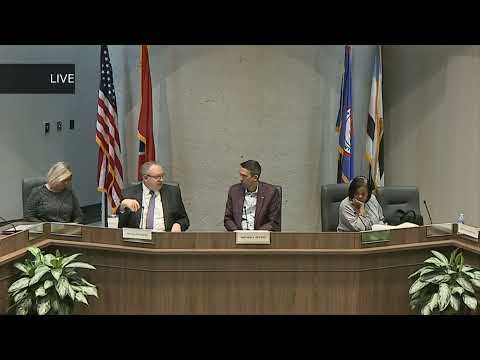
Knox County auditors detail fraud hotline, committee presses for clearer public navigation
Loading...
Summary
Knox County internal audit described its fraud, waste and abuse hotline and case workflow, saying it created case files in HighBond and handles roughly 15 complaints a year; ethics subcommittee members pressed for clearer website referrals, phone contacts and guidance on anonymous tips.
Knox County internal auditors told the countys ethics committee subcommittee on Jan. 14 that the fraud, waste and abuse hotline has been managed by internal audit since 2017 and that complaints can be submitted through an online HighBond portal or by phone.
During a presentation and follow-up questions, internal auditor Zach Fullerton said every submission is entered into HighBond and a case file is created to document steps taken. "We internal audit took over the fraud, waste, and abuse hotline back in 2017," Fullerton said. He said auditors have access to records such as badge swipes, video and financial documents and that cases with a criminal nexus are coordinated with the Tennessee Comptrollers Office.
The presentation focused on how complaints are triaged: if a report does not allege fraud, waste or abuse it may be transferred to partner agencies such as county HR, school HR, or the sheriffs office. Fullerton said the office typically processes "maybe 15 complaints a year" and expects higher volumes in election years.
Committee members pressed audit staff on public-facing navigation and what an ordinary resident should do if they have a concern. "If Im a member of the public and I dont know what to dois there a ‘who do I call’ on the page?" the chair asked. Fullerton agreed that clearer links and contact information would help and said audit already posts final audit reports and hotline status summaries to its website.
Members also asked about anonymous tips. Steven Goodpaster, a committee member, raised concerns that some formal ethics actions appear to require sworn complaints or identifiable complainants. Fullerton said anonymous tips are accepted and can prompt review or referral, but that formal hearings and adjudication generally require identifiable evidence to ensure due process. Mr. Sanders, the committees legal adviser, emphasized the point: "We cant be operating on anonymous tips," he said, noting adjudicatory hearings need a complainant able to present evidence and face the accused.
The subcommittee asked internal audit and the ethics page to add clearer referrals and contact phone numbers; audit staff offered to add a reference to the ethics committee on their flowchart and to work with county web staff. The committee set a follow-up to review website navigation and suggested edits at its next meeting in two weeks.
Next steps: internal audit will provide materials for the ethics committee to review and the subcommittee will return with specific website and contact recommendations at the next meeting.