
Nash County school meals program posts $773,242 loss after 100% CEP conversion
Get AI-powered insights, summaries, and transcripts
Subscribe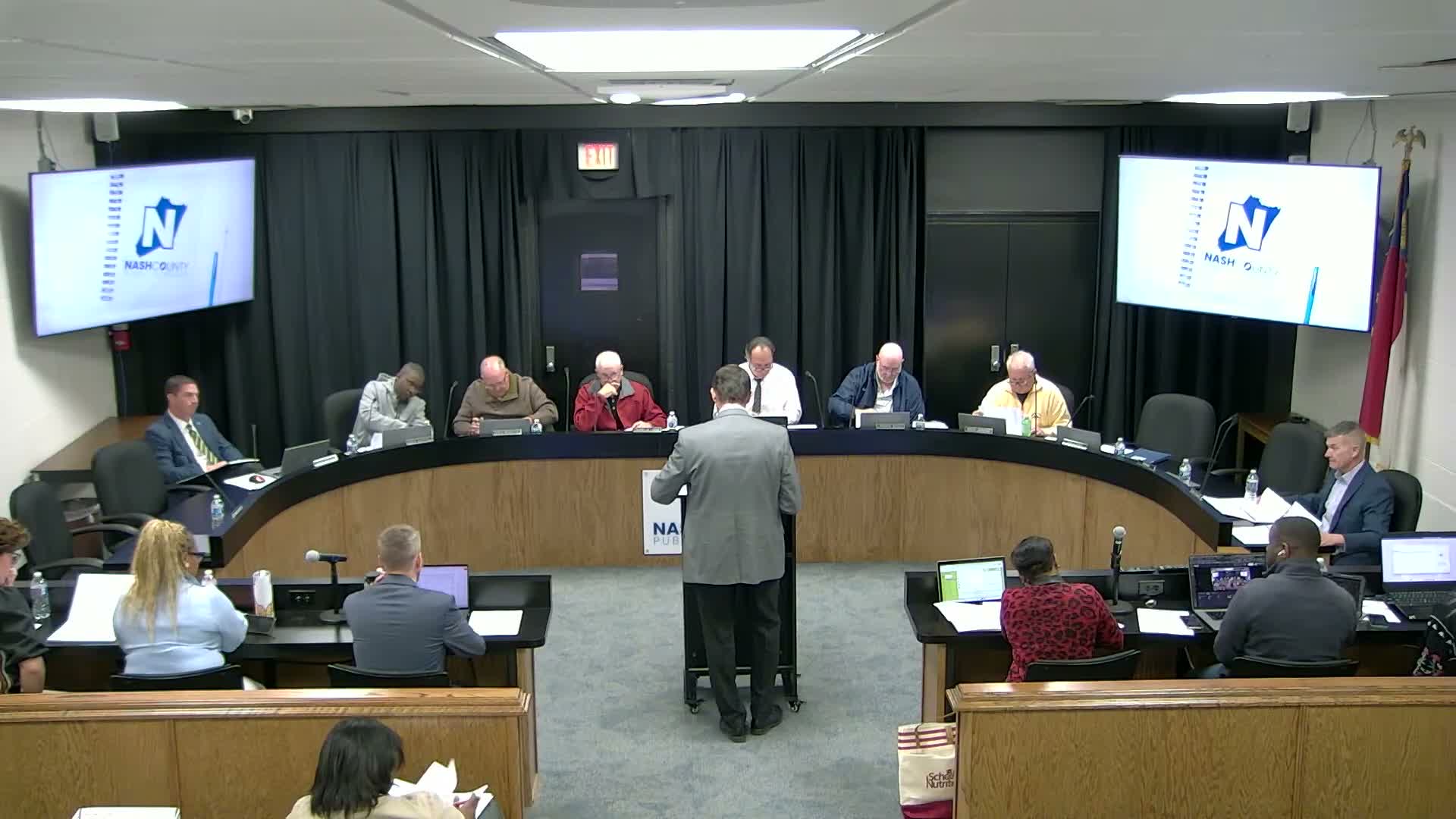
Summary
The district's Child Nutrition program reported a $773,242 loss for the year ended June 30, 2025; an auditor linked the larger loss to conversion to 100% Community Eligibility Provision (CEP) and warned reserves could be exhausted if the trend continues.
An auditor reported that Nash County Public Schools’ school food service program showed a net loss of $773,242 for the year ended June 30, 2025, a larger deficit than in preceding years. "The program reported a loss for the year of 773,242," the auditor said, and added that conversion to 100% Community Eligibility Provision (CEP) for 2025 contributed to the larger-than-expected loss.
The auditor noted the program still held cash reserves of over $3,000,000 at year end, but cautioned: "Ultimately the program can't continue to lose $773,000 a year or that 3,000,000 will be gone before too long." He said district leaders should evaluate whether some schools should leave CEP and return to paid meals to reduce losses.
The auditor also described that Child Nutrition pays full indirect cost to the local fund (about $379,000 last year), which helps local budgeting, but warned that if Child Nutrition cash drops below a certain level the state will not allow the district to charge indirect costs going forward. "If the losses in Child Nutrition keep accumulating and cash drops below a certain level, the state will not allow you all to pay indirect cost anymore," he said.
School leaders and the auditor agreed that the district needs to monitor the program closely, consider program participation levels in CEP, and assess the sustainability of current indirect cost practices. Any change would affect school budgets and local fund balances moving forward.
Next steps identified in the meeting included finance staff monitoring Child Nutrition reserves and evaluating whether program participation or pricing changes are needed before the reserves decline further.