
Residents urge pause on M3 zoning, press council to halt proposed Mason data center
Get AI-powered insights, summaries, and transcripts
Subscribe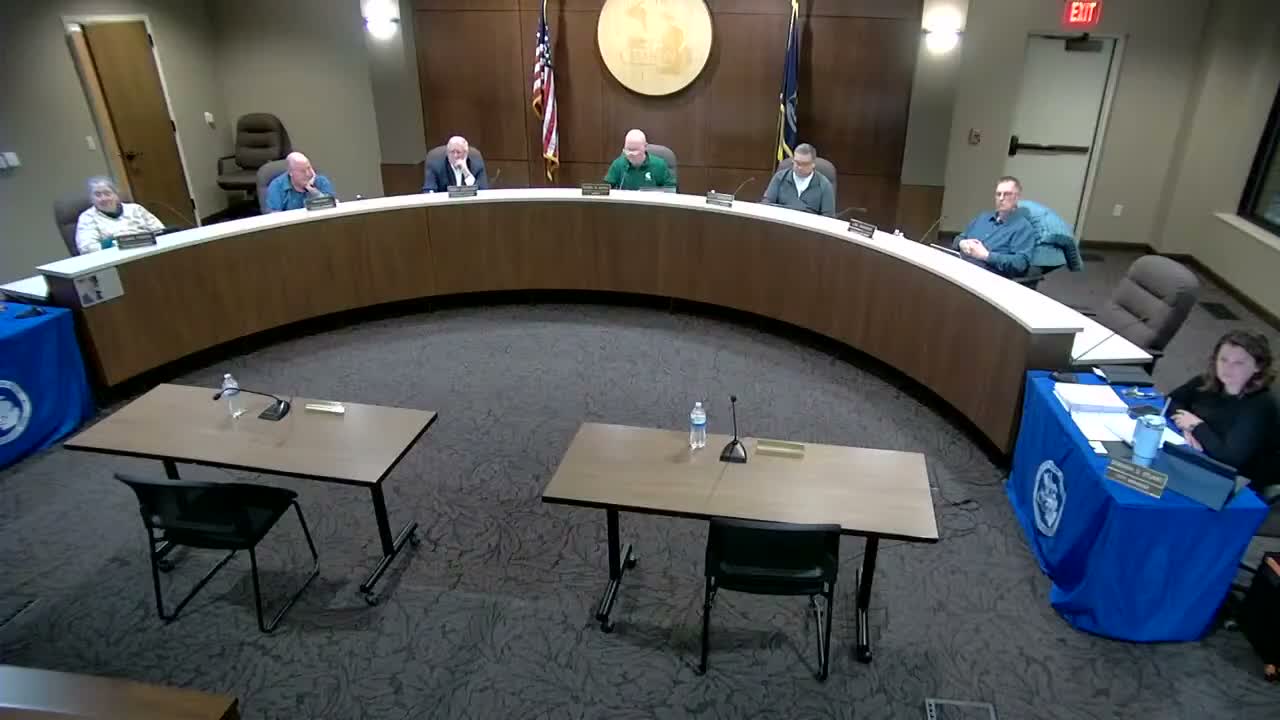
Summary
Dozens of residents told the Mason City Council they oppose new M3 zoning that could allow a hyperscale data center, citing noise, groundwater and transparency concerns and urging a longer moratorium and further studies. Several speakers asked council to delay decisions and require aquifer and water-impact protections.
Dozens of Mason residents urged the City Council on Jan. 18 to slow or stop a proposed M3 zoning change tied to a planned hyperscale data center, citing noise, water and property-value risks and what they described as a lack of transparency.
“That's not transparency — that's pulling the wool over our eyes,” said Paula Kaltrider during public comment, criticizing the council’s decision to drop a proposed 90-day moratorium and calling for environmental and water-usage studies before any zoning change. Multiple residents said the city has not provided adequate information on site selection, potential water draw on local wells or the long-term implications of a large data center.
Speakers raised specific technical and health concerns. Delinda Benson pointed out the draft zoning reduced a daytime noise cap from 70 to 65 decibels but allows short-duration testing at 80 decibels for backup generation, warning that extended exposure “does cause hearing loss.” Emerson Hyde and others said existing local water and sewer infrastructure may not handle the increase in demand and expressed fear that private wells could go dry — urging the council to require developers to assume responsibility for wells that fall dry and to conduct aquifer studies.
Several speakers also questioned the timing of the council’s actions. Patrick Lind alleged some parties are trying to finalize approvals before new Federal Energy Regulatory Commission interconnection rules expected in April 2026 and said opponents have begun a recall and referendum process. Residents asked for more explicit conflict-of-interest safeguards; one commenter urged that any candidate or council member employed by Consumers Energy recuse themselves from votes that could benefit the company.
City officials briefly responded in later business, saying the moratorium had passed a first reading with four votes and would return for a second reading and adoption; the clerk explained that five votes would be required for immediate effect, otherwise adoption with four votes would make it effective 20 days later.
The council did not adopt new M3 zoning at the meeting. The public-comment period included proposals for specific protections — for example, requiring a data center to repair or deepen wells affected by its water use and expanded water-quality monitoring — but no formal direction or ordinance change was adopted on Jan. 18. The council is expected to take the M3 zoning and moratorium up again in a subsequent meeting for second reading and possible adoption.