Lifetime Citizen Portal Access — AI Briefings, Alerts & Unlimited Follows
Aurora Area CVB tells Geneva council regional marketing is driving hotel stays and online interest
Loading...
Summary
Aurora Area Convention and Visitors Bureau officials told the Geneva City Council that integrating Geneva into a regional destination marketing program has produced measurable web traffic and early economic-impact estimates tied to group and sports sales; council members asked about festival promotion and measurement.
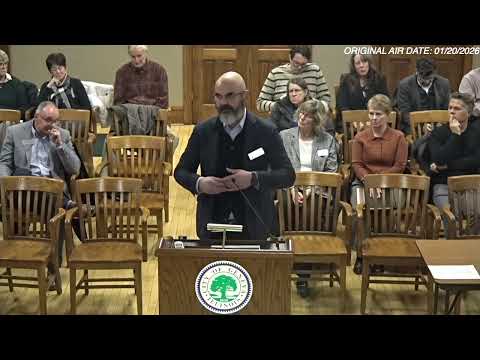
Court Tarleton, executive director of the Aurora Area Convention and Visitors Bureau, and James Cardes, the bureau's director of marketing, presented to the Geneva City Council a regional destination marketing update and a Geneva-specific co‑op plan.
Tarleton said AACVB has integrated Geneva into its destination sales and marketing channels, including group sales for sports, tour and meetings, the Illinois-made program, and a municipal co‑op. He cited fiscal‑year‑to‑date metrics and said a substantial share of website visitors (68%) were from outside Illinois, and that the group/sports sales pipeline supported an estimated $2,000,000 in economic impact from new spending. Tarleton also said Geneva’s landing page rose to one of the site’s more visited pages in calendar 2025 and that AACVB maintains 147 active Geneva listings on its regional site.
Cardes outlined the municipal co‑op program, which returns roughly 40% of locally sourced hotel‑tax revenue to individualized community marketing plans. He described a spring 2025 “bridge” campaign for Geneva that used approximately $20,000 in spend (with a $10,000 state coop match), produced millions of impressions, roughly 10,000 clicks to the Geneva landing page, about 3,700 tracked visits and an estimated near‑$600,000 economic impact from that campaign. Cardes said DataFi device‑level tracking and STR (Smith Travel Research) lodging metrics are paired to estimate visitation and visitor spend; he described campaign attribution windows of roughly three to six months post‑exposure.
Cardes described a Sojourn pilot (a state coop offering) that provided some in‑market visit metrics but less granular data than DataFi; he said the bureau spent $15,000 on Sojourn under a three‑way split and does not plan to rely heavily on it going forward. The current DataFi advertising runs he cited were Sept. 1–Nov. 30 and resume March 1, and he said early campaign math produced strong return‑on‑ad‑spend figures (Cardes cited an 18:1 return in one computation and referenced other high multipliers during Q&A).
Council members asked how festivals such as Swedish Days are reflected in the marketing plan, how economic impact is calculated, and what the campaign benchmarks/control groups are. Cardes said festivals and signature events are incorporated in the bureau’s broader destination content, and that DataFi plus ADR/STR figures and card‑transaction proxies are used to estimate lodging and visitor spend. He described the advertising cohort as the basis for internal comparisons rather than a historical year‑by‑year control. Several council members expressed appreciation for the reported metrics and encouraged AACVB to continue outreach to local businesses.
The presentation concluded with AACVB inviting Geneva hoteliers and attractions to participate in the co‑op program and offering creative assets (photography and a leisure travel branding video) as value‑added material for municipalities.
The council took no formal action on the presentation itself; it received the briefing and proceeded to the regular agenda items.