
UN warns of winter deaths, water and medical backlogs in Gaza as aid needs grow
Get AI-powered insights, summaries, and transcripts
Sign Up Free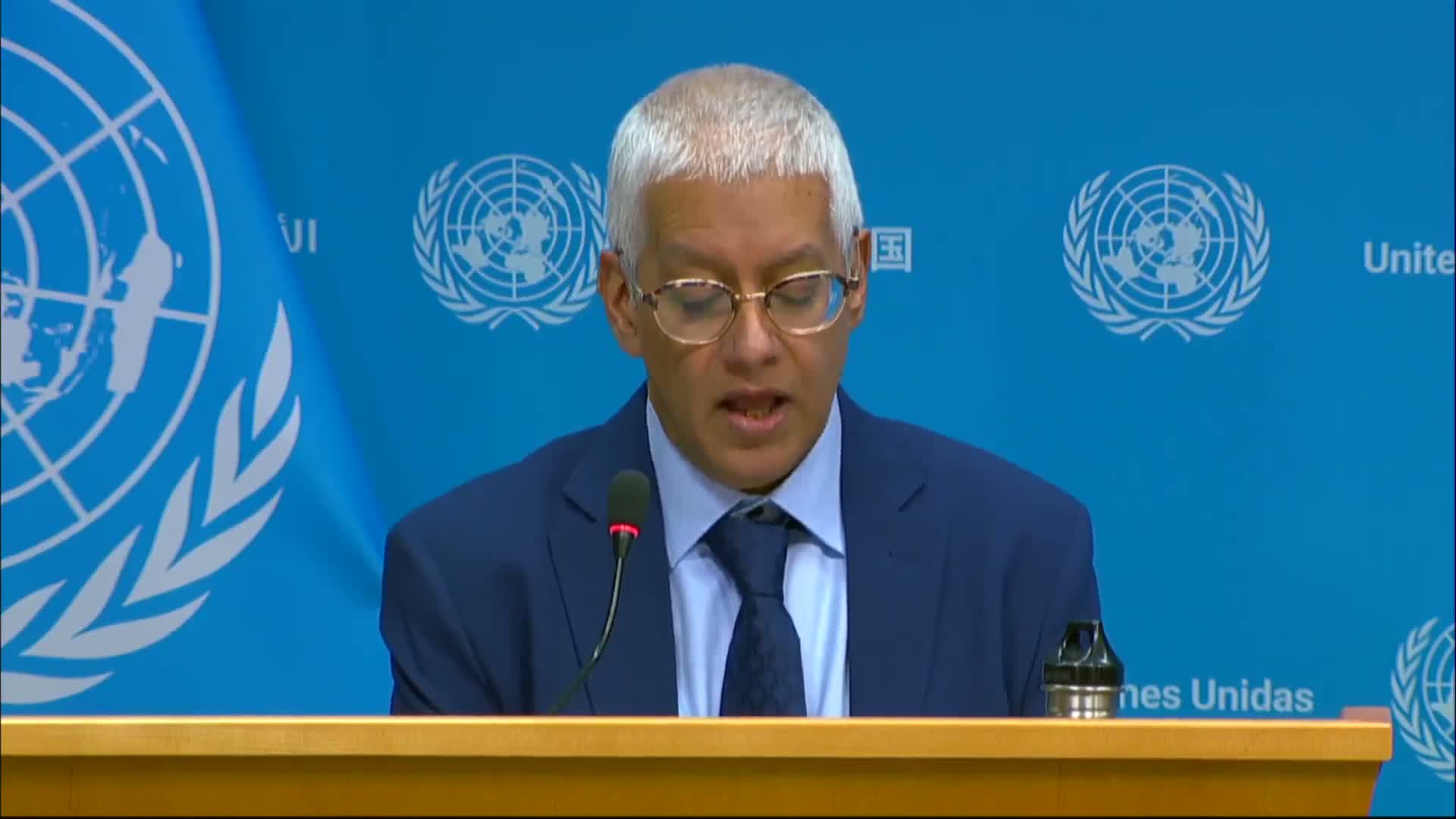
Summary
A UN spokesperson reported a hypothermia-related child death in Gaza and described large gaps in energy, water and medical evacuations; partners have reached hundreds of thousands with food but critical items and access remain restricted, the UN said.
Spokesperson Farhan said the United Nations is "closely monitoring" conditions in Gaza and warned that winter exposure has already claimed a child’s life, bringing the season’s reported cold-related deaths to nine.
The briefing outlined a series of humanitarian shortfalls: UN food-security partners reached more than 860,000 people this month through 50 distribution points, and agencies are providing about 1,600,000 hot meals each day. A 10-day vaccination campaign that began Sunday vaccinated roughly 3,000 children in its first two days, the spokesperson said, noting the campaign aims to protect children under 3 from vaccine-preventable diseases.
The World Health Organization facilitated a medical evacuation of 21 patients and companions to Jordan, Farhan said, but added that more than 18,000 patients, including about 4,000 children, remain on lists for care unavailable in Gaza. "WHO called on more member states to accept these patients and for the reopening of the medical evacuation route to the West Bank, including East Jerusalem," the spokesperson said.
Farhan detailed the scale of displacement and infrastructure damage: roughly 1,300,000 people are estimated to be displaced across approximately 970 sites, concentrated in Deir El Bala and Khan Yunus. He said about 70% of Gaza City's water production is disrupted after damage to the Meccorat supply line, which requires a section of steel pipe not available in Gaza and restricted from entry as a "dual-use" item. A separate request to repair the Safa well was reportedly denied by Israeli authorities, the spokesperson added, forcing partners to scale up water trucking and seek alternative sources.
The Office for the Coordination of Humanitarian Affairs (OCHA) reiterated the need for expanded access, including critical items deemed dual-use, saying without those materials "improvements to the most basic of services such as access to safe water will not happen." The spokesperson also urged entry of batteries, solar panels and other energy sources needed to set up communal heating spaces.
The UN appealed implicitly for greater host- and third-party cooperation to allow the delivery of restricted items and to reopen evacuation and supply routes. The briefing did not announce specific additional pledges or member-state commitments; funding and acceptance of evacuees were described as outstanding needs.