
Texas Supreme Court hears dispute over agency’s THC scheduling and delta‑8 enforcement
Get AI-powered insights, summaries, and transcripts
Subscribe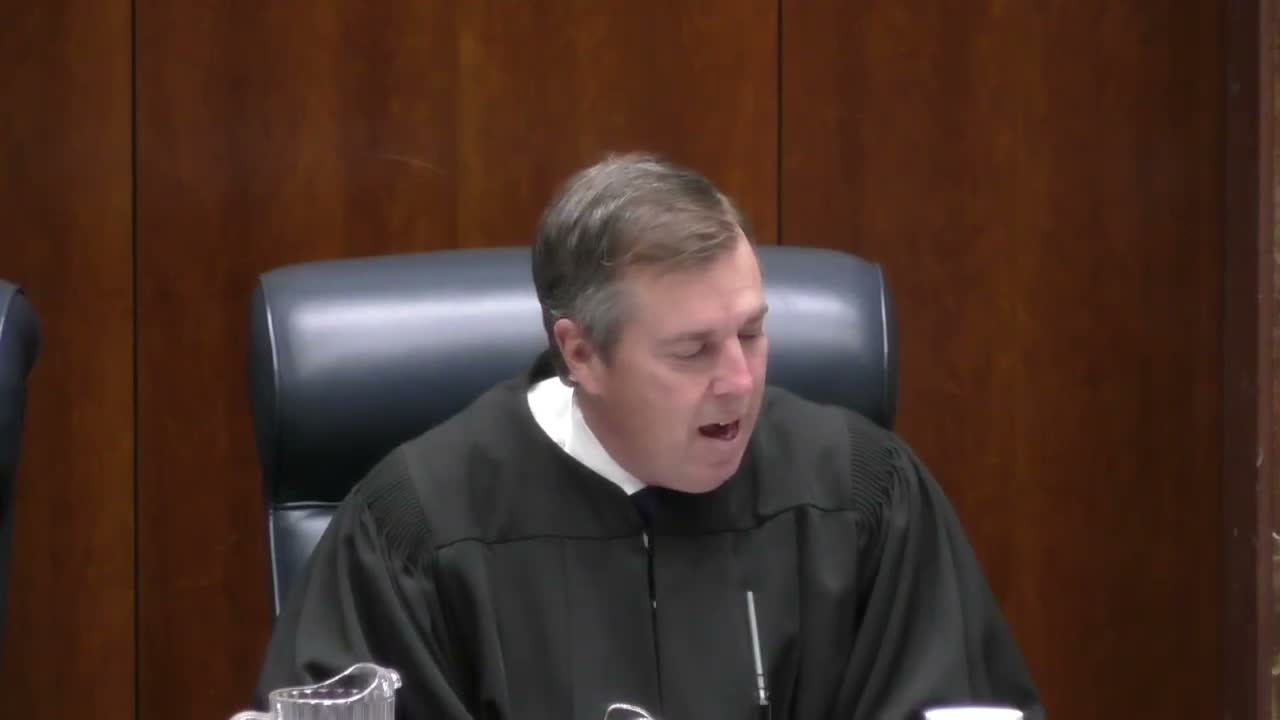
Summary
At oral argument in Texas Department of State Health Services v. Sky Marketing (No. 230887), the Supreme Court of Texas weighed whether the health‑services commissioner exceeded statutory authority by clarifying the state controlled‑substances schedule to cover certain forms of THC, including delta‑8, and whether the businesses bringing suit have standing to seek injunctive relief.
The Supreme Court of Texas heard argument in Texas Department of State Health Services v. Sky Marketing, No. 230887, which asks whether the department’s clarification of the state schedule of controlled substances — and related website guidance — went beyond the commissioner’s statutory authority and harmed businesses that sell hemp products.
Petitioners’ counsel told the court the case is essentially about criminal enforcement and argued the trial court lacks jurisdiction because the commissioner “does not enforce the Controlled Substances Act,” and therefore retailers lack standing to seek an injunction. Counsel cited the court’s Abbott decision and warned that the agency’s approach was not the sort of action that produces a prosecutorial injunctive interest. “The commissioner wants to make plaintiffs into, quote, ‘overnight felons,’” counsel said, quoting the clerk’s record to describe respondents’ stated fears of criminal exposure.
Respondents’ counsel framed the dispute as a question of statutory and procedural limits on agency power. “What this case is actually about is the balance of agency authority as expressly delegated by our legislature,” counsel said, arguing the commissioner’s clarification in 2021 went farther than the statute authorizes and failed to satisfy statutory procedures for modifications that are not compelled by federal law. Respondents also pressed that the agency’s website announcement produced immediate economic consequences — lost sales and threatened layoffs — that the court should treat as cognizable “pocketbook” injuries traceable to the agency’s conduct.
At argument, justices pressed both sides on two related threads: (1) whether the petitioners’ injury allegations are narrowly tied to civil licensing or to criminal enforcement, and (2) the technical question whether delta‑8 is captured by the statutory definition of THC and by the federal‑to‑state interaction the statute contemplates. Counsel and several justices discussed federal guidance, noting the federal register (Vol. 86) and federal agencies’ warnings about production and testing of certain THC derivatives. The court also addressed whether an injunction issued below operates prospectively and whether it effectively prevents the agency’s published definitions from taking statewide effect.
Petitioners argued that if the commissioner lacks criminal‑enforcement authority, that defeats the standing needed to seek judicial invalidation of scheduling decisions except in narrow circumstances identified in prior cases. Respondents countered that even if the agency’s civil enforcement mechanisms are distinct from criminal law, the department’s actions changed the practical scope of regulated hemp licenses and thereby inflicted economic harm on licensees — an injury that this court has recognized in analogous cases.
The arguments ranged from statutory text (section 481.034 was cited repeatedly) and federal‑policy context to practical effects on licensed sellers and how regulators and law‑enforcement agencies might react. Counsel for respondents emphasized procedural requirements they say were skipped — notice, express findings, and executive‑commissioner approval for modifications beyond those required by federal triggers — and relied on precedents where economic impact sufficed for standing.
The court took a brief recess after oral argument and did not announce a decision. The dispute now turns to whether the justices will find the petitioners lacked standing, or instead hold the commissioner acted ultra vires or failed to follow required procedures — a decision that would affect how Texas regulates hemp‑derived products and how businesses that market CBD‑derived goods are treated under state law.
The court allotted 20 minutes to each side and reserved five minutes for petitioner rebuttal; the court recessed at the close of argument and will issue a ruling in due course.