Get Full Government Meeting Transcripts, Videos, & Alerts Forever!
Get email alerts on the Homelessness topic
No spam. Unsubscribe anytime.
Winnebago County budget keeps HELP homelessness-prevention positions; county executive emphasizes eviction-prevention capacity
Summary
Public comments and the county executive emphasized the importance of the HELP homelessness- and eviction-prevention program. The 2026 budget moves previously project-funded HELP positions to permanent status and funds additional TBRA administration to support rental vouchers.
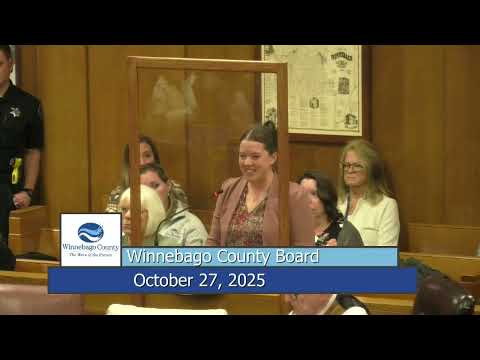
Multiple residents and a written submission urged supervisors to retain and expand the HELP homelessness- and eviction-prevention program during the Oct. 12 budget hearing.
Brian Nagler, program supervisor at the Aging and Disability Resource Center, sent a letter read into the record by the county clerk urging the board to make HELP positions permanent. The letter described the HELP team's caseload and warned that, without permanent positions, homelessness-prevention responsibilities would be shifted back to ADRC staff who lack long-term case-management capacity.
County Executive Gordon Hintz told the board the executive budget includes moving five HELP project positions into permanent county positions (these positions had been county-funded project posts in 2025) and adding a sixth position to administer $200,000 in tenant-based rental assistance vouchers. Hintz said the HELP team has discharged 74% of cases with stable housing (about 674 families) and argued the program prevents more expensive downstream outcomes.
Public comment highlighted local housing pressures: a HELP-related report read at the hearing noted 2,796 211 contacts in the county during the year and 913 housing-related calls (32% of contacts), roughly on par with statewide averages. Speakers urged continued funding and permanent staffing to protect progress in eviction prevention.
What the board did: The executive budget and the amendments that moved HELP staff toward permanence were discussed and the final adopted budget preserves the positions described in the presentation and materials.
Why it matters: The HELP program is presented as a front-line prevention strategy that uses case management, one-time payments and landlord engagement to keep people housed and to limit pressure on more costly systems.