Get Full Government Meeting Transcripts, Videos, & Alerts Forever!
Get email alerts on the County Budget topic
No spam. Unsubscribe anytime.
Winnebago County executive presents 2026 budget centered on housing, public health and staffing
Summary
County Executive Gordon Hintz on Oct. 12 presented a 2026 executive budget that aims to address housing instability, public health and staff recruitment and retention. The proposal includes a net increase of 26.2 full-time equivalents, a 3% compensation schedule adjustment and a 2% merit pool; supervisors approved several targeted amendments during
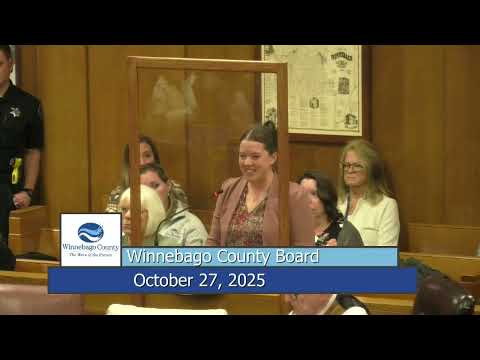
County Executive Gordon Hintz presented the Winnebago County 2026 executive budget on Oct. 12, urging supervisors to consider countywide priorities when approving spending.
"Housing, homelessness, public safety, service delivery, and the key services of public health, mental health, and assistance to families" are the budget's organizing priorities, Hintz told the board. He said the plan seeks to better align ongoing expenses with levy-supported revenue and to reduce historic reliance on one-time reserves.
The executive budget proposes a net increase of 26.2 full-time-equivalent positions, continued implementation of the county97wide compensation study (a 3% adjustment to the compensation schedule, plus a 2% achievable merit pool) and incremental investments in capital and deferred-maintenance projects. Hintz said he directed staff to prepare budgets tied to the county97adopted strategic plan and to improve timing and transparency for public review.
Key items highlighted in the presentation and subsequent Q&A: - Housing and homelessness: The budget includes permanent staffing changes to the HELP homelessness and eviction-prevention effort and a new position to administer about $200,000 in tenant-based rental assistance (TBRA) vouchers. Hintz said the HELP program has discharged 74% of open cases with stable housing (about 674 families) and warned that changes in SNAP benefits will increase housing pressure for many households. - Public health and peer response: The exec proposed funding for public-health priorities and included a package of amendments the board later debated, among them a county contribution to continue a peer response team run by Solutions Recovery. - Public-safety and jail staffing: The budget adds correctional staff as the jail population has grown; county and sheriff97office officials told supervisors the extra housing pod opened briefly in 2025 and the requested positions are intended to avoid unsustainable overtime. - Compensation and workforce: Hintz said the budget continues the county's implementation of the 2023 compensation study to retain and recruit staff, and he asked supervisors to weigh countywide priorities rather than only district-level effects.
Hintz described the 2026 proposal as nearer to structural balance than prior years, with a narrower planned deficit and fewer one-time transfers to operating expenditures. He also told supervisors that staff will continue to refine revenue assignments and program analyses to show which services are mandated and which are discretionary.
How the board acted: During the hearing and the business session, supervisors debated and approved a set of budget amendments and ultimately adopted the 2026 budget by roll-call vote later in the meeting.
What this means: The adopted budget funds modest pay adjustments and targeted staff increases intended to address immediate operational pressures (public health, housing navigation and jail staffing) while planning for a multiyear capital program to address deferred maintenance.