Lifetime Citizen Portal Access — AI Briefings, Alerts & Unlimited Follows
Oroville planning commission weighs EIR for up to 3.2 million sq. ft. industrial buildout amid contested air and traffic impacts
Loading...
Summary
Planning staff presented a hybrid EIR for a hypothetical maximum build‑out south of Ofer Road that finds three significant and unavoidable impacts (greenhouse gases, VMT and diesel‑related air emissions). Labor and environmental groups urged delay; a motion to adopt the EIR resolution was made but a recorded vote does not appear in the transcript.
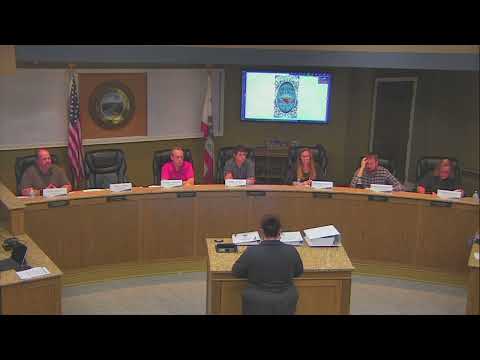
At its meeting, the Oroville Planning Commission heard a detailed presentation on a draft and final environmental impact report (EIR) analyzing the maximum feasible build‑out of roughly 170 acres within a 420‑acre industrial site south of Ofer Road.
Planning staff said the program‑level analysis evaluates a hypothetical “maximum project” — roughly 3.2 million square feet of warehouse development across four large buildings — and concludes that most impacts can be mitigated except for three that remain significant and unavoidable: greenhouse gas emissions, vehicle miles traveled (VMT) and local air emissions affecting nearby residences. "The EIR indicates that all impacts can be mitigated to less than significance except for 3," staff stated during the presentation, identifying VMT, greenhouse gases and toxic diesel particulate as the primary unresolved effects.
The technical scope the staff presented includes an assumed 0.4 floor‑area ratio and up to 2,200 truck and employee trips per day under the maximum scenario; the EIR’s traffic analysis calculates a project VMT of 25.4 per employee versus the city’s interim threshold of 6.7. Staff also said the Butte County Air Quality Management District would require an offset fee estimated at about $771,000 at full build‑out to address reactive organic gases and NOx.
Labor and environmental commenters urged the commission not to certify the EIR. Kyla Staley, an attorney for Laborers International Local 185, told the commission that her union’s experts concluded the EIR understates fine particulate and toxic air contaminant risks from diesel truck traffic, and that the health‑risk and cumulative impacts analyses need further work. "LiUNA urges the commission to not certify the EIR at this time, because the EIR fails to comply with CEQA," Staley said in public comment.
Staff summarized written comments and its responses, noting nine substantive comment letters on the draft EIR and several comments on the final EIR. Staff said consultants and in‑house technical reviewers concluded the analyses were adequate and that SB 1000 environmental‑justice requirements do not yet apply until the city undertakes a general‑plan update that would trigger the statute’s requirements.
A representative of Panattoni Development, Beau Shaw, described market interest and the potential economic benefits of an approved EIR, saying such a clearance could make Oroville competitive for major commercial users and noting the scale of construction and jobs associated with large distribution or cold‑storage tenants.
After questions and discussion, a commissioner moved to adopt Resolution P2025‑17 — the staff resolution that would certify the EIR, adopt the monitoring and mitigation reporting program, and include a statement of overriding considerations for the significant impacts. The motion was seconded; the transcript contains the motion and second but does not record a final roll‑call tally for that adoption within the provided segments. The commission also scheduled follow‑up and a special meeting in early November to pursue remaining items and secure a quorum for outstanding actions.
What’s next: the commission indicated it may take further action at a special meeting (discussed for Nov. 10 on the record) to complete formal actions on items that require a quorum and additional legal review. Any certification that includes a statement of overriding considerations would be a legal finding that the project’s public benefits outweigh identified environmental harms, and it could be subject to legal challenge or subsequent permit‑level review if and when a concrete project applies.