Get Full Government Meeting Transcripts, Videos, & Alerts Forever!
Get email alerts on the Inside Millage Cap topic
No spam. Unsubscribe anytime.
Committee advances bill to limit "inside millage," accepts oversight and construction carve-outs; policy group warns of school impacts
Summary
House Bill 335, which would cap growth of inside millage, was favorably reported by the Ohio House Ways and Means Committee after several amendments that protect existing local collections and exclude new construction and expiring abatements from the cap. Policy Matters Ohio warned the cap could reduce funding for schools, townships and public-saf
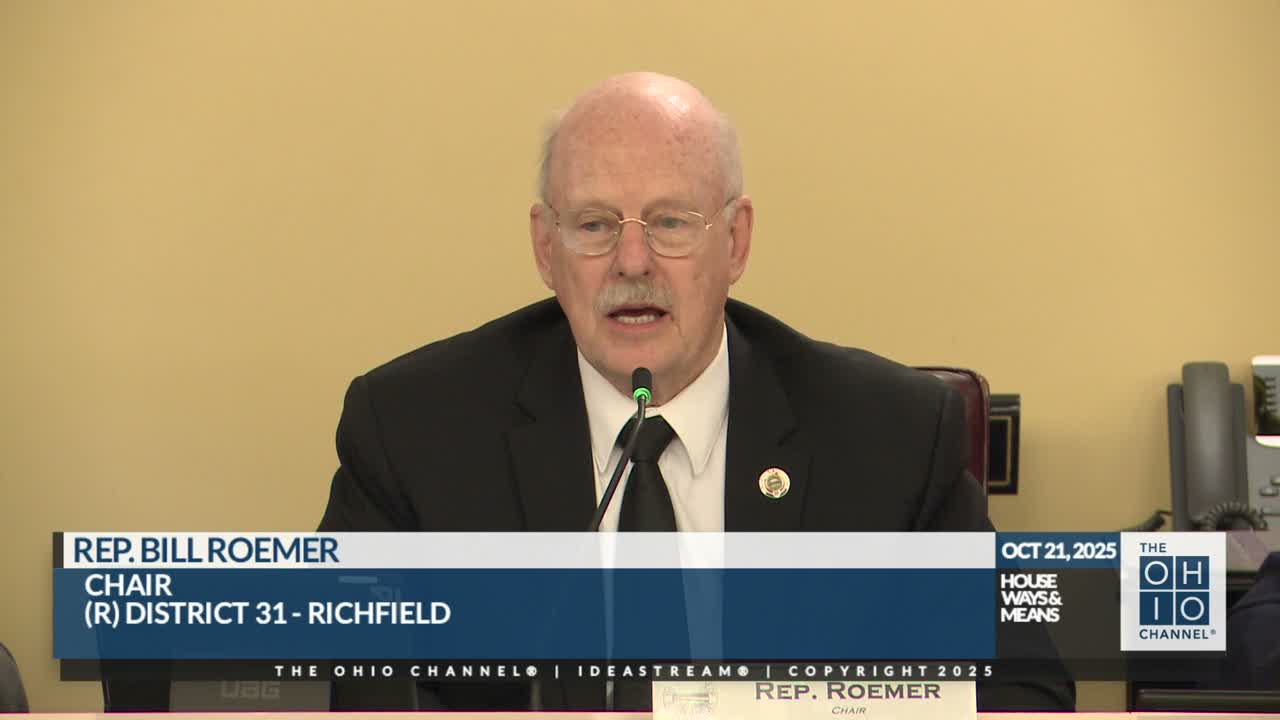
The Ohio House Ways and Means Committee advanced House Bill 335 on March 1 after accepting amendments intended to protect local inside-millage collections and to ensure new construction and expiring tax abatements do not reduce revenue available to local governments.
House Bill 335 would limit growth in unvoted "inside millage" collections by tying increases to a growth measure. Representative Thomas, moving an amendment, told the committee the amendment copies county language "which allows the inside millage to be protected, not able to be taken then by another entity," and builds in review by the county budget commission when an entity seeks to restore or increase previously reduced inside millage.
Another amendment, offered by Ranking Member Troy, excludes new construction and expiring tax abatements when calculating the cap. Troy said the change ensures that "new construction and tax exempt property create new demands for services" and would prevent a system where new development does not yield commensurate revenue.
The committee also considered an amendment to allow school districts to swap inside-millage revenue for a voter-approved increase in a school income tax; that amendment would require voter approval and budget commission review before any restored inside millage could take effect.
Public testimony and concerns Policy Matters Ohio Research Director Zach Schiller testified in opposition to a broad inside-millage cap, warning it would reduce resources for schools, townships and other local services. Schiller said, "Inside millage amounted to nearly $4,000,000,000 in tax year 2024, half of which went to school districts." He argued that across-the-board caps risk harming fast-growing areas where inside millage helps fund public safety and hiring and urged targeted relief such as a circuit breaker aimed at owners or renters facing high property-tax burdens.
Committee action and votes Committee members accepted the Thomas amendment protecting inside millage allocations and the Troy amendments excluding new construction and abatements and extending swap authority to school districts, then voted to favorably report House Bill 335. The committee voted 11'1 to favorably report the bill and asked LSC to harmonize and engross the accepted amendments.
Why it matters Inside millage is a major revenue source for many local governments and school districts. Policymakers and advocates disagree on whether a statewide cap is the best way to provide property-tax relief: supporters say it limits unvoted increases; opponents, including Policy Matters Ohio, say it would shift costs to levies or reduce services in growing communities.
Next steps LSC will harmonize accepted amendments and substitutes; the bill was favorably reported out of committee and will move forward in the House process.