Get Full Government Meeting Transcripts, Videos, & Alerts Forever!
Get email alerts on the Inside Millage Cap topic
No spam. Unsubscribe anytime.
Committee harmonizes inside‑millage cap with school funding reforms to limit revenue spikes
Summary
An amendment to House Bill 335 adopted by the committee applies a cap on inside millage indexing to the GDP deflator at each revaluation cycle, aiming to prevent tax bills from rising faster than inflation; proponents framed the change as restoring the original purpose of inside millage, while members asked about glide paths for local governments.
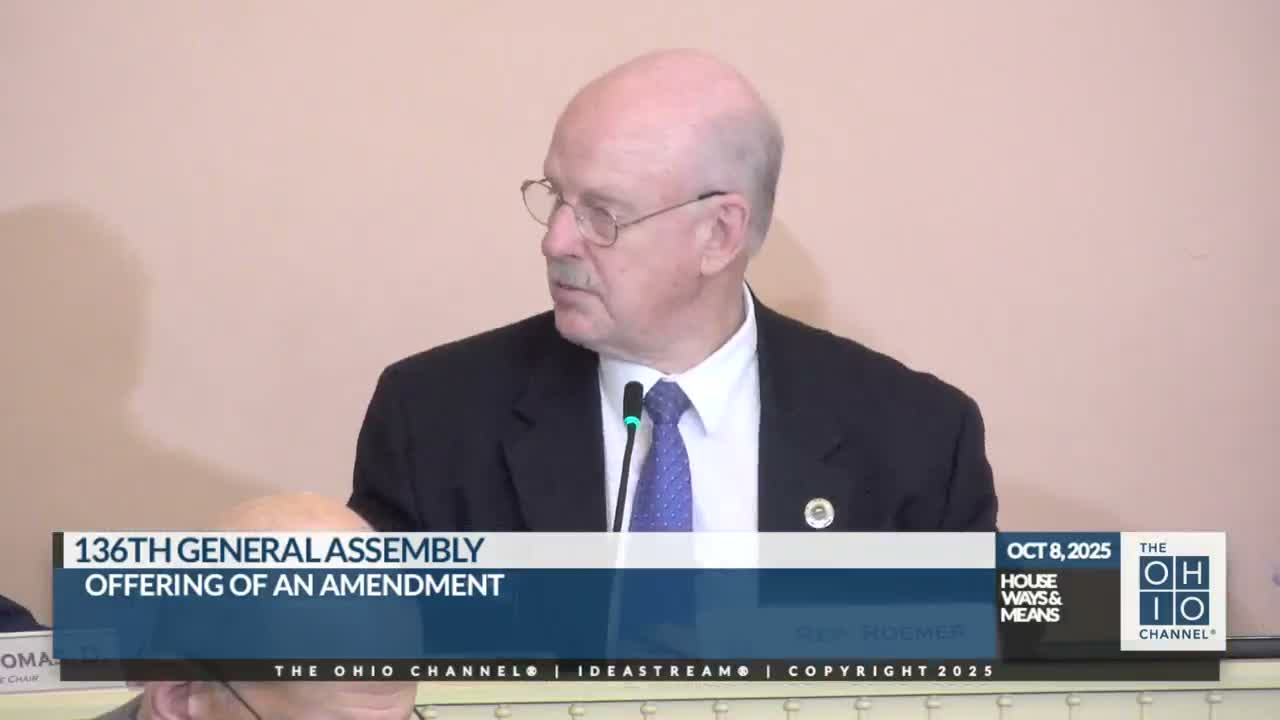
During the third hearing on House Bill 335, Vice Chair Thomas explained an amendment that aligns caps on inside millage (the millage levied by counties, municipalities, townships and schools) with the GDP deflator measured over each property revaluation cycle.
The amendment copies a cap concept from House Bill 186 and applies it to inside millage: when a revaluation occurs (typically a multi‑year cycle), a jurisdiction’s inside‑millage revenue cannot exceed what inflation would justify for that revaluation period. The cap is intended to prevent the tax bill from increasing above inflationary growth between revaluations.
Representative discussion focused on whether the three‑year revaluation cycle and the single‑period cap provide sufficient flexibility for local governments to absorb rising costs. Ranking members asked whether a glide path or annual adjustment would better reflect ongoing cost pressures; Vice Chair Thomas said the bill preserves the current revaluation process while protecting taxpayers from year‑to‑year spikes that have occurred in recent years.
Supporters described the change as restoring the original purpose of inside millage as a modest hedge against inflation rather than a source of revenue growth. The committee adopted the amendment and asked the Legislative Service Commission to harmonize language across bills that address tax caps and revaluation timing.
No roll call vote on final passage was recorded for the amendment in the transcript; the committee accepted the amendment by voice. Members noted they would continue to solicit feedback from counties and other local officials to monitor implementation effects.