Get Full Government Meeting Transcripts, Videos, & Alerts Forever!
Get email alerts on the Mileage Reimbursement topic
No spam. Unsubscribe anytime.
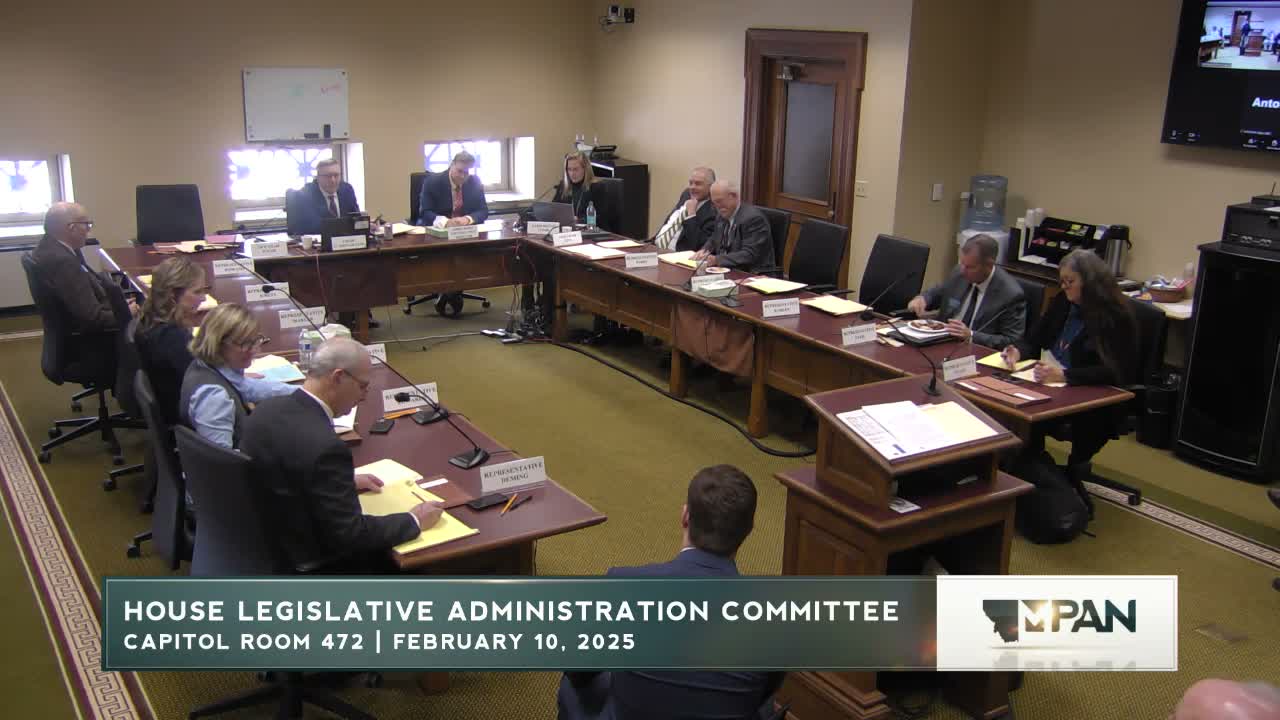
Committee hears bill to remove 3-cent mileage penalty for high-mileage legislators
Summary
Sen. Ken Bogner told the Legislative Administration Committee SB 26 would eliminate a 3¢ per-mile reduction for legislators who drive more than 1,000 miles in a month; he said the change cost $1,851 in the last interim but would save approximately $10,300 in staff time tracking reimbursements. No vote was taken at the hearing.
Senator Ken Bogner on behalf of the legislative council asked the Legislative Administration Committee to consider Senate Bill 26, which would eliminate a 3¢ per-mile reduction now applied to legislators’ mileage reimbursements when monthly mileage exceeds 1,000 miles. "This would eliminate that, so that staff would not have to spend the time tracking that and could spend their time working on other things," Bogner told the committee.
The sponsor said implementing the change during the last interim would have cost $1,851 but would have saved about $10,300 in staff hours used to reconcile reimbursements. Committee members and the informational witness described the current baseline as the IRS mileage rate, which senators and representatives said is 70¢ per mile and drops to 67¢ for mileage beyond 1,000 miles in a month.
Representative Perry asked whether changing the rule would affect federal dollars; Senator Bogner and Angie Carter, financial manager for the legislative branch, replied the change aligns reimbursement with the IRS rate and removes staff work to track month-to-month adjustments. Representative Gere asked why the 3¢ reduction existed; Carter said she had asked the drafter and that they had deferred researching that origin until after session.
Angie Carter, the informational witness, was on the record to answer technical and fiscal questions. No proponents or opponents appeared in person and online witnesses reported none at the time the committee called for testimony.
The committee did not take executive action on SB 26 during the hearing; the chair closed the SB 26 hearing and moved on to other business.