Planning commission backs 'Love Where You Build' UDC overlays after lengthy public hearing; residents voice notice, drainage and density concerns
Loading...
Summary
After a multi-hour presentation and public hearing with dozens of residents, the commission unanimously recommended the Planning Department’s "Love Where You Build" amendment (NC1/NC2/NC3 overlays and city plan sets) to city council, while residents raised questions about mailed notices, drainage maintenance and neighborhood impacts.
The Temple Planning and Zoning Commission voted unanimously Jan. 20 to recommend the "Love Where You Build" amendment to the Unified Development Code, a package of Neighborhood Conservation overlays (NC1, NC2, NC3) and city‑approved plan sets intended to guide infill residential development.
Planner Christina Strickland told the commission the program is designed to encourage infill and "missing middle" housing while preserving neighborhood character. She said the overlays are not retroactive and do not remove existing property rights: the rules apply only to new development, additions or redevelopment. "You are able to use your property the way you use your property today," Strickland said. The staff presentation noted the amendment will go to city council for first reading Feb. 19 and second reading March 5.
Strickland outlined core features: NC1 targets traditional detached single‑family areas and allows up to 55% lot coverage and accessory dwelling units by right; NC2 allows intermediate density including duplexes or cottage courts and up to 65% lot coverage; NC3 is for major corridors and allows neighborhood‑scale multiunit buildings with up to 80% lot coverage and a maximum of 30 units per acre, subject to parking, landscaping and site organization standards. She said the program includes city‑approved plan sets that are free to the public and an expedited permitting path for applicants who use those plans.
The presentation also included required design standards for infill: landscaping requirements that trigger for new development, a "height‑looming" setback that increases side‑yard setbacks by two feet for each story above one, and a requirement that front parking be set at least 10 feet behind the front build wall.
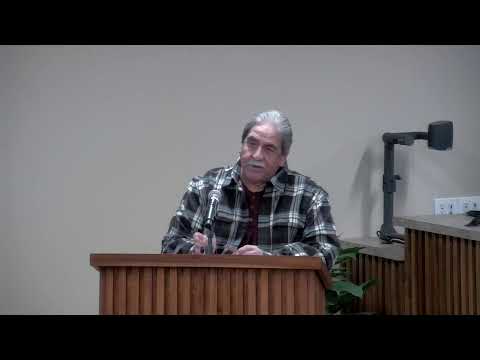
The public hearing drew many residents who raised concerns about the mailed notices and the statutorily required bolded language stating that owners "may lose the ability to use your property as it is currently used." Several speakers said the notice was confusing and alarming. City legal staff cited Local Government Code 211.006 as the basis for that required wording and explained that practical loss of use would be limited to specific redevelopment scenarios (for example, if a structure is demolished and rebuilt, it must comply with current zoning and setbacks).
Other frequent themes in public comment included long‑running drainage problems in parts of the city that residents said must be addressed before redevelopment; concerns about potential increases in rental conversions and duplexes near single‑family blocks; and requests for clearer, plain‑language explanations about what the notice means for homeowners. Christina Strickland and other staff repeatedly emphasized the overlay is intended to add standards and options rather than to remove current rights: "This is for new development and for if you want to make any changes to your property," she said.
Several commissioners voiced support for the goal of enabling modest infill and making permitting easier for homeowners who want to add porches, accessory dwelling units or small additions. After public comment closed, Commissioner Smith moved to recommend the amendment to city council; Commissioner Longeneau seconded and the motion passed unanimously.
Next steps: The Planning & Zoning Commission’s recommendation will be presented to City Council for readings on Feb. 19 and March 5, where council will consider formal adoption. Staff said they will continue outreach and follow up with residents who raised site‑specific concerns, including drainage complaints and requests for clearer notice language and statutory interpretation.