Council briefed on Sierra Vista IDA bond financings; city not guaranteeing bonds, counsel says
Loading...
Summary
Bond counsel told council that proposed IDA revenue bonds to finance charter‑school and master‑plan acquisitions will be paid from the borrowing entities' revenues and are not a pledge of the city; council asked about oversight and the IDA's relationship to the city. Staff said a Feb. presentation on IDA funds is scheduled.
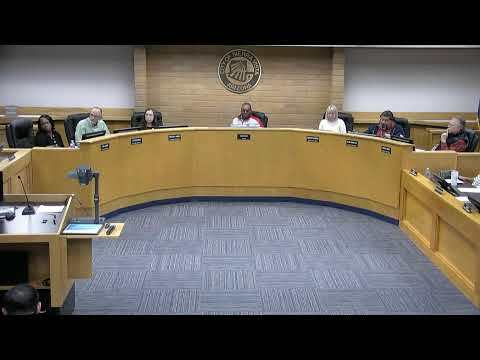
Bond counsel explained to Sierra Vista City Council that two resolutions before the city relate to Industrial Development Authority financings: one to borrow acquisition funds for a charter school managed by a group the city has previously worked with, and a second taxable financing for land acquisition and infrastructure for a master‑plan community.
Why it matters: counsel emphasized these will be revenue bonds of the borrowing entities and not obligations of the Sierra Vista IDA, the city or the state, and the purchaser (and bondholders) assume the risk. “Revenue bonds of the IDA are not a pledge of credit of the IDA or of the city or of the state,” counsel said, clarifying the IDA statute requires the governing body to authorize IDA proceedings for tax‑exempt bonds.
Key details: counsel said the charter‑school bonds would be unrated and publicly sold by Robert W. Baird to qualified institutional investors and held in North Carolina; the IDA statute permits out‑of‑state financings when a benefit is found in Arizona and the fee revenue supports the IDA’s costs and local economic development. A separate taxable financing for a Texas master‑plan community was described as taxable and therefore not subject to a public hearing requirement under federal tax rules.
Council questions and oversight: council members asked why the city approves IDA proceedings if the city bears no financial obligation; counsel responded that the city appoints IDA members and the approval is a statutory oversight requirement, often tied to federal tax rules when tax‑exempt status is requested. Council asked for a report on IDA funds; staff said Demetria Simonton (the city's IDA liaison) will prepare an outlook for the council in February and return with additional information.
Outcome: the presentation clarified legal relationships and risk allocation but did not include a council vote; staff indicated formal action is scheduled at a future council meeting.