Get Full Government Meeting Transcripts, Videos, & Alerts Forever!
Get email alerts on the Fleet Electrification topic
No spam. Unsubscribe anytime.
Valley Central reviews fleet electrification plan, sees high route feasibility but multimillion-dollar infrastructure needs
Summary
CPL consultants told the Valley Central board the district’s fleet electrification plan shows about 92% of routes are feasible with today’s electric-bus technology but that charging the full fleet could add roughly 3.8 megawatts of peak demand; board members discussed ownership, possible district garage sites and grant incentives to reduce costs.
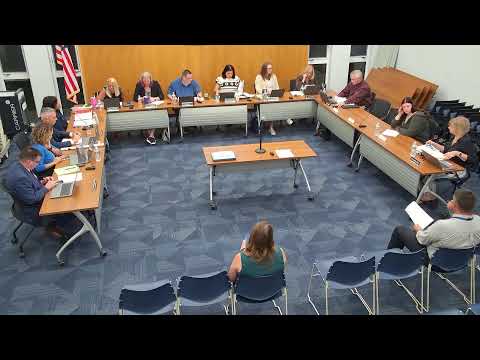
Consultants from CPL Architecture & Engineering presented the district’s fleet electrification plan to the Valley Central School District board on Sept. 20, describing technical feasibility, site options and the likely cost drivers of an electric-school-bus transition.
"With today's technology, there's a 92% feasibility," said Greg Royer of CPL, summarizing the route analysis and caveats for longer routes that may require midday charging or larger batteries. The consultants showed conceptual site plans near the middle school for a district-owned bus garage and charging yard and explained tradeoffs between leasing, contracting and district ownership.
CPL's analysis found that if all buses charged simultaneously the district's peak power requirement could increase by about 3.8 megawatts; that figure drove discussion about charge-management systems and battery energy storage as ways to reduce peak kW demand. "We can take that further down by looking at battery storage options," Royer said, noting the impact on utility demand charges.
Consultants told the board the infrastructure cost (chargers, transformers, electrical work and possible battery storage) would be in the multimillions; CPL presented a rough-order-of-magnitude first-phase budget that could be materially offset by state and federal incentives. Royer said incentive programs and the current incentive design aim to reduce the delta between electric and diesel bus cost and that charger-port incentives and phased-in allocations would affect planning.
Board members asked practical questions about owning buses versus continuing a contracted transportation model and whether leasing yard space to a contractor might limit long-term cost exposure. "You could have an arrangement with your provider to park their buses on your property and have space for the drivers," Royer said, adding there are examples (Roundout Valley was cited) of districts hosting contractor vehicles with district-provided infrastructure.
The presentation included timing considerations tied to state timelines: consultants noted a June 1, 2027 deadline that will curtail the purchase of fossil-fuel buses and a broader 2035 conversion date in current state guidance. Royer flagged that the district is ahead of many peers by completing a fleet electrification plan and that NYSERDA and other programs could provide technical or cost-share resources.
The board did not take action on the presentation itself; trustees said the information will inform the district’s approach to the coming transportation contract and capital planning.
What's next: the district has an RFP out for a transportation consultant to support the next five-year contract and will use the FEP data to weigh owning buses, leasing solutions and phased infrastructure investments.