
Cheyenne council prioritizes public-education push for fifth- and sixth-penny ballot measures
Get AI-powered insights, summaries, and transcripts
Subscribe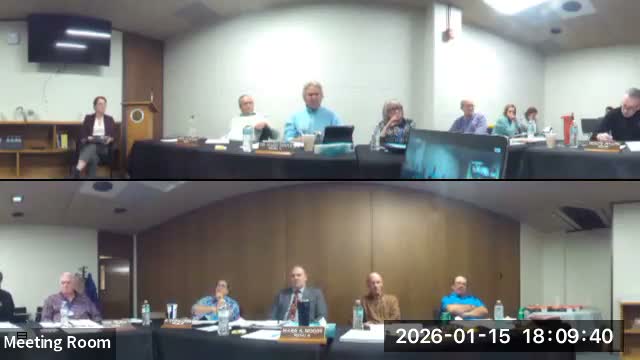
Summary
At a goal-setting session, Cheyenne councilmembers agreed to prioritize an aggressive public information strategy to explain two sales-tax ballot measures (the fifth and sixth penny), asking staff to develop a coordinated marketing and outreach plan and to identify champions for implementation.
Cheyenne's governing body spent a large portion of a goal-setting work session Tuesday crafting a public-information strategy to support two upcoming ballot measures known as the fifth and sixth penny sales taxes. Council members said they want a clear, proactive campaign to explain what the taxes would fund and to "spoon-feed" accessible stories to voters well before any election.
Council members and staff argued the campaign must be precise and timely. Speaker 3 (council member) and Speaker 2 (council member) urged departments to coordinate so communication materials are ready weeks before items appear on formal agendas. Speaker 1 volunteered to take a lead role building the plan; Speaker 6 and others offered to help with execution and outreach.
The conversation covered several tactics the council asked staff to explore: consistent labeling of public works purchases as funded by the penny taxes, targeted social-media outreach (including platforms for younger voters), paid media or contracted support if needed, and recruiting community advocates and neighboring municipalities to speak about benefits. Speaker 3 suggested inviting officials from towns that previously used similar taxes to speak during public comment to give voters concrete examples.
Council members were careful to distinguish permissible "public information" from political advocacy: staff may use public resources for neutral educational materials, but direct advocacy for the measures was framed as separate and potentially handled by voluntary or privately funded advocacy groups. Speaker 9 recommended a coordinated advocacy effort but other members reiterated the line between education and advocacy must be observed.
Next steps: the council directed staff and the mayor's office to draft a written public-information process and return with measurable indicators (timelines, baseline outreach metrics and champions) before the ballot timeline advances. The council also agreed to reconvene and assess progress after candidate and primary timelines are clearer.